CN
CN EN
ENWhat causes the special screw to discolor? Let me tell you about it! Hardware fastener manufacturer
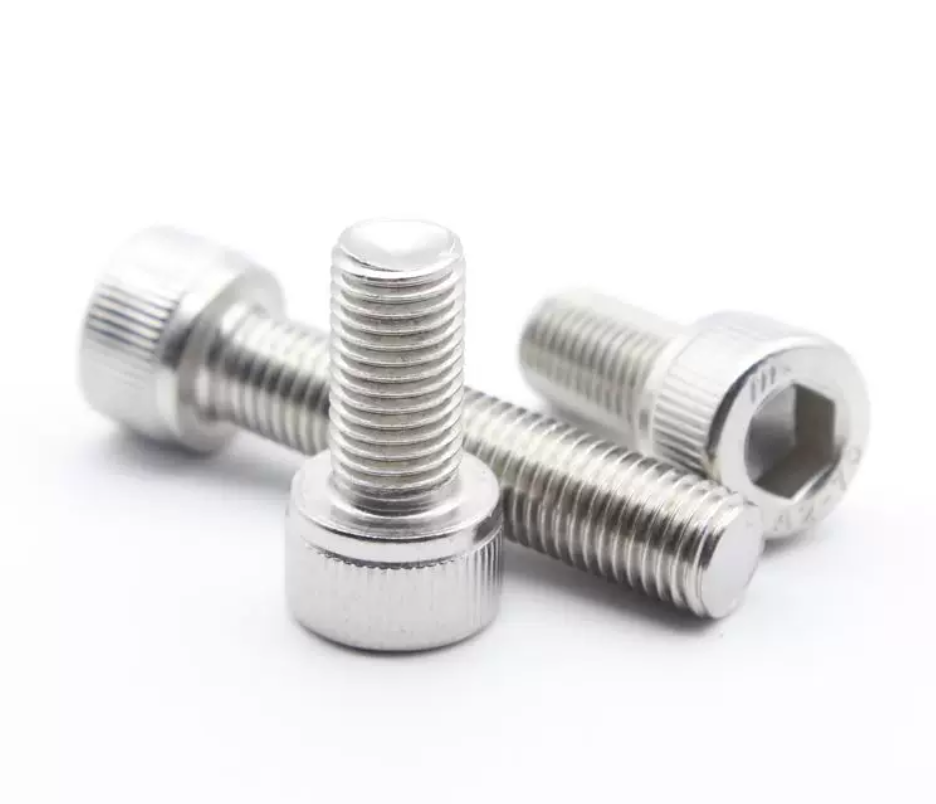
Screws are frequently used in daily life, and their presence can be found in industry and products. Screws are widely used and have become popular among people. Hardware fastener manufacturer
1. The discoloration of stainless steel plates usually occurs when the screw and hard treatment are not cleaned thoroughly during the cleaning process, and the cleaning solution remains on the surface of the stainless steel screw. Therefore, after a period of time, changes in the cleaning solution and chemical substances form discoloration on the surface of the stainless steel screw.
2. The discoloration on the surface and the red rust on the phosphating film of the stainless steel screw surface after tempering treatment. In order to avoid discoloration of the screw, we will take away the phosphating film before the heat treatment process. During the heat treatment process, we need to moderately increase the curing area of the mesh belt furnace.
3. After quenching the stainless steel screw, the remaining water quenching data can easily lead to a decrease in the stainless steel screw's rust resistance and blackening after a period of use. During use, we need to check the data information of the water quenching data every three to five times to avoid blackening of the stainless steel screw surface.
4. During the quenching process of stainless steel screws, if the oil ages too much, it may also cause the screw to turn black. In the process of selecting oil quenching, the temperature should be lowered, and generally 50 degrees is more suitable to maintain a decrease in oil aging rate.
The handling method for screw locking:
1. Incorrect selection of screws, before use, it is necessary to determine whether the equipment function of the screws is necessary for use.
2. The teeth of non-standard screws may be rough or dirty. If there is spot welding or other metal debris trapped between the teeth, it often leads to locking.
3. When using screws with excessive force or locking speed, the temperature of the screw rapidly warms up and locks.
4. When tightening the screw, the angle of view of the reaction force direction is incorrect. The screw cap must be rotated perpendicular to the centerline of the screw, avoiding tilting.
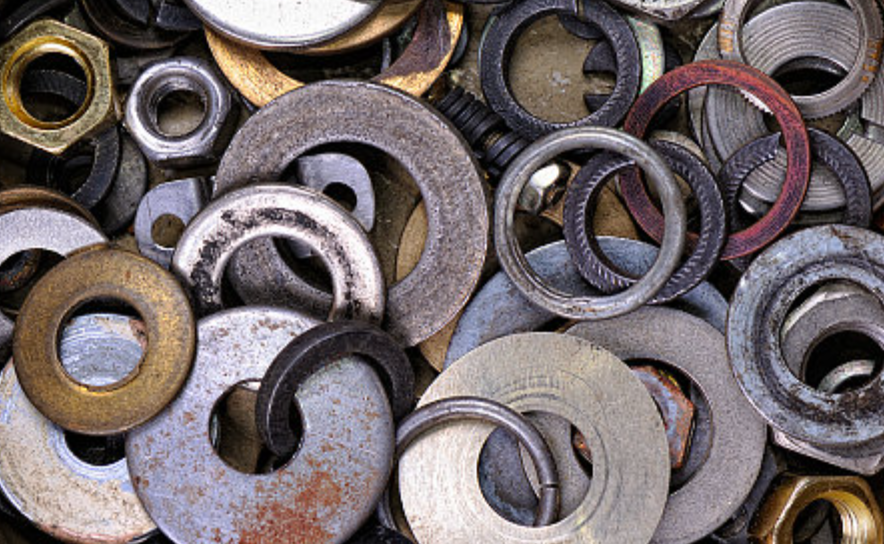
5. Do not use flat or elastic sealing rings. If a flat washer and its spring washer are installed when using screws, it may be reasonable to avoid the problem of locking too tightly. Hardware fastener manufacturer