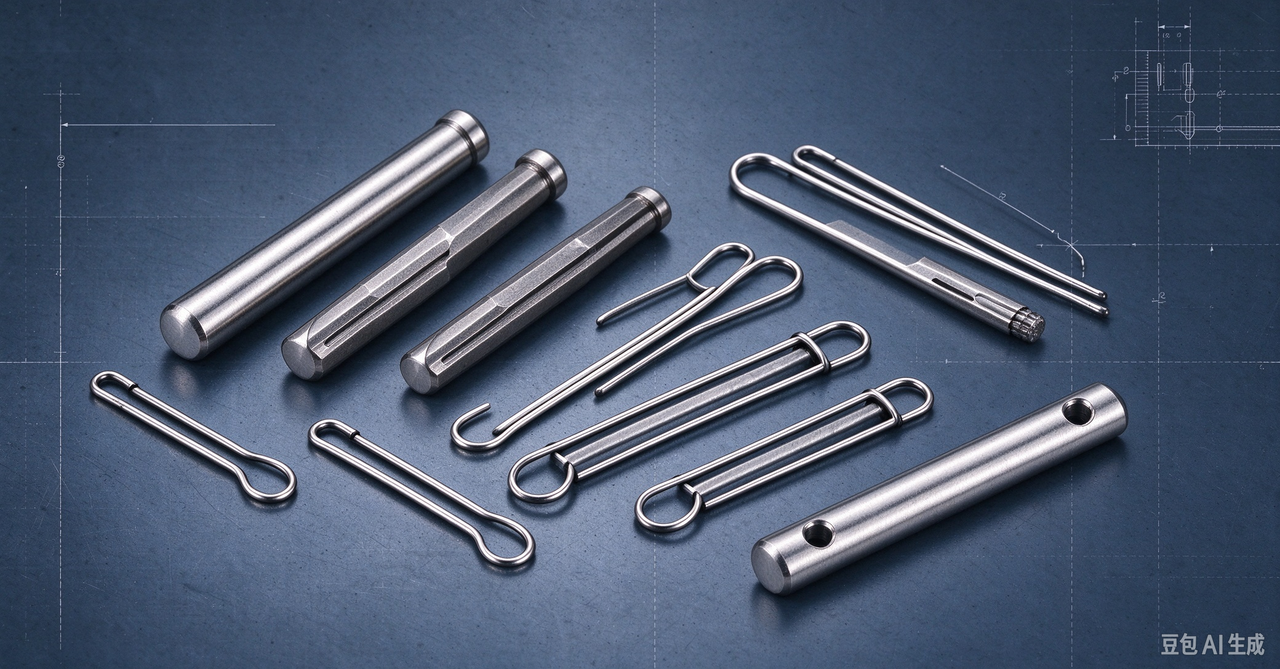
Professional Selection & Manufacturing Guide for High-Strength Double-Thread Stud Fasteners
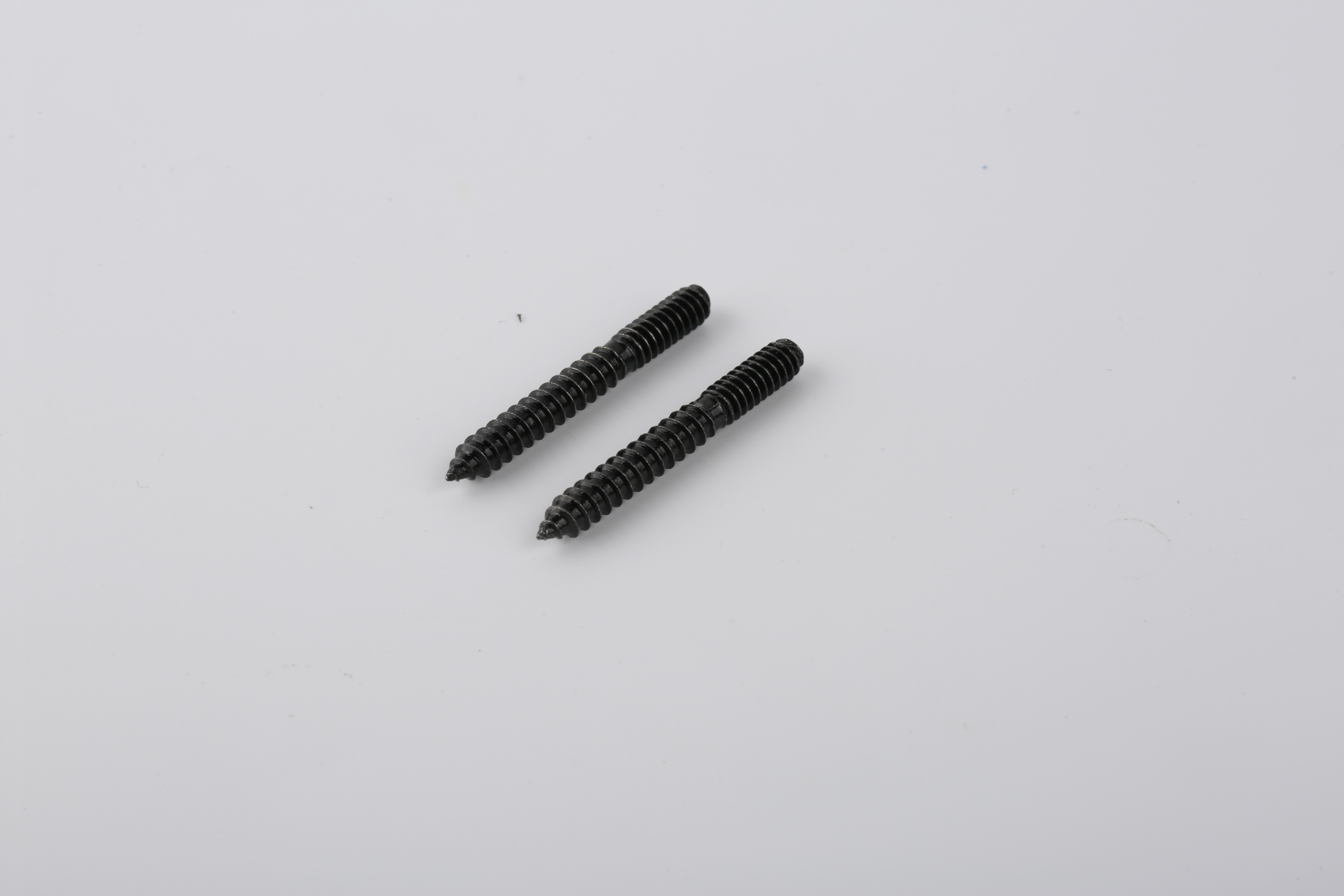
As a special fastener different from ordinary bolts, double end studs (also known as double-head screws, stud bolts) have threads at both ends and a polished rod in the middle. Relying on stable locking performance, strong pressure resistance and convenient installation, they have become essential connecting parts for high-temperature, high-pressure and heavy-load working conditions. Ordinary bolts are limited by the head structure and cannot be used for deep hole assembly, end cover fastening and frequent disassembly scenarios, while double head studs perfectly solve these assembly pain points. They are widely used in pressure vessels, pipeline flanges, automotive engine assemblies, engineering machinery, new energy battery frames and chemical equipment.
1. Main Classification of Double End Studs
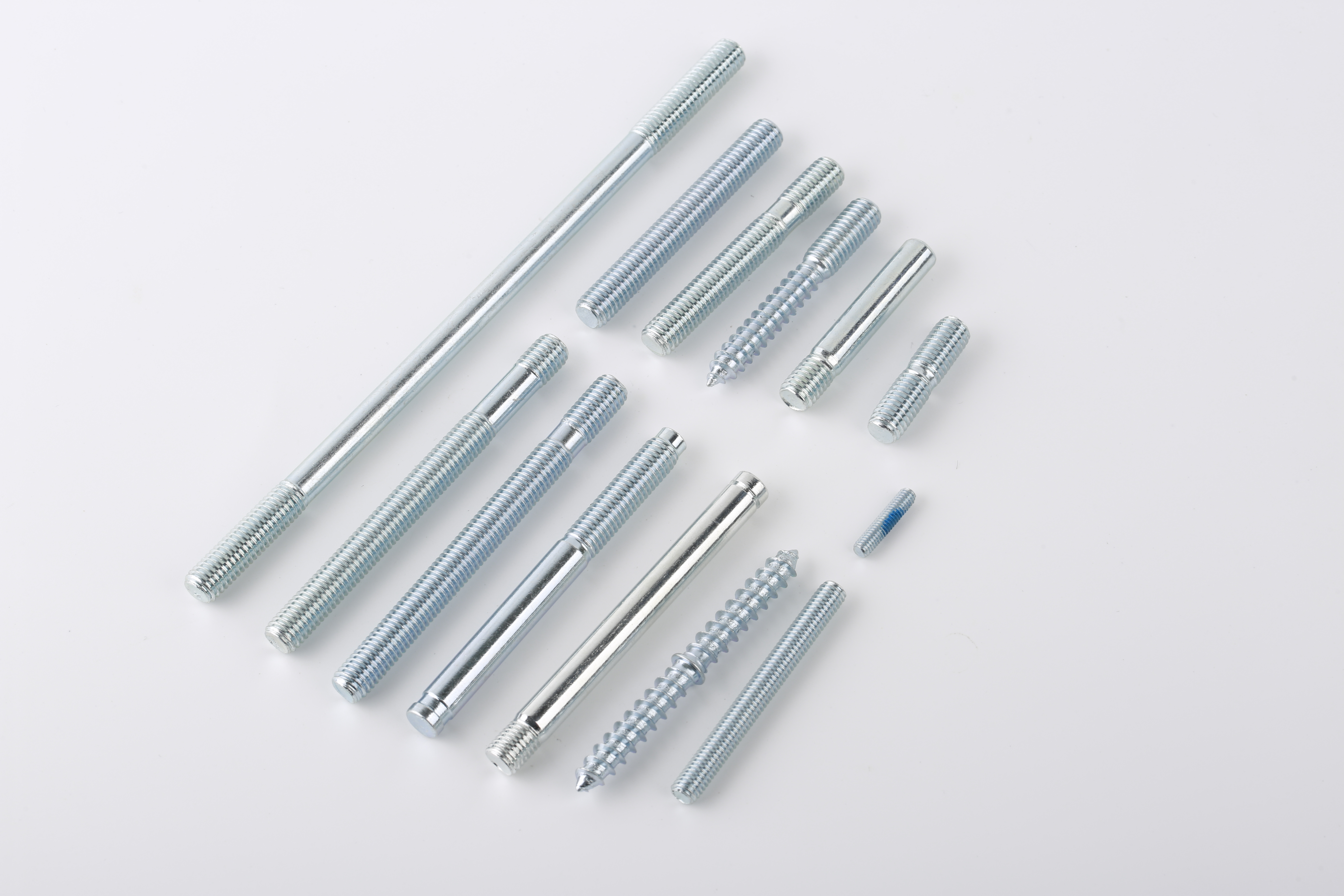
According to structural design and usage functions, double end studs are divided into three mainstream types. First, equal-double-thread stud bolts, with consistent thread specifications at both ends, mostly used for flange connection and regular equipment fastening. Second, unequal double-head studs, with different thread diameters or pitches at two ends, customized for special assembly space and connection strength requirements, belonging to non-standard fastener products. Third, full-threaded all thread studs, with threads running through the whole body, outstanding tensile strength, suitable for ultra-high pressure vessel sealing and fixing.
In terms of material selection, carbon steel is used for conventional low-load environments, alloy steel (42CrMo, 35CrMo) for high-strength Grade 8.8/10.9/12.9 heavy-load studs, and 304/316 stainless steel studs for corrosion-resistant, humid and chemical working environments.
2. Complete Production Process of High-Quality Double End Studs
The stability of stud bolts directly affects the safety of the whole equipment, so the production process is highly standardized. Step 1: Raw material inspection. Round steel bar or wire rod shall be tested for chemical composition, hardness and surface cracks to eliminate raw material fracture risks. Step 2: Cutting & shaping. Cut the raw material into fixed-length blanks according to drawing size, and trim the end face to ensure verticality. Step 3: Thread rolling forming. Thread rolling is adopted instead of cutting thread. Cold rolling can retain the metal fiber structure, making the thread more wear-resistant and fatigue-resistant, avoiding thread cracking during locking. Step 4: Heat treatment (for high-strength studs). Quenching and tempering treatment improves overall hardness and tensile strength to meet high-load use standards. Step 5: Surface anti-corrosion treatment. Hot-dip galvanizing, electro-galvanizing, Dacromet and blackening are selected according to customer needs to enhance rust resistance for outdoor and chemical equipment. Step 6: Full inspection. Detect thread accuracy, outer diameter tolerance, straightness, and conduct sampling tensile test and salt spray test to screen out bent, defective threaded products.
3. Core Application Scenarios
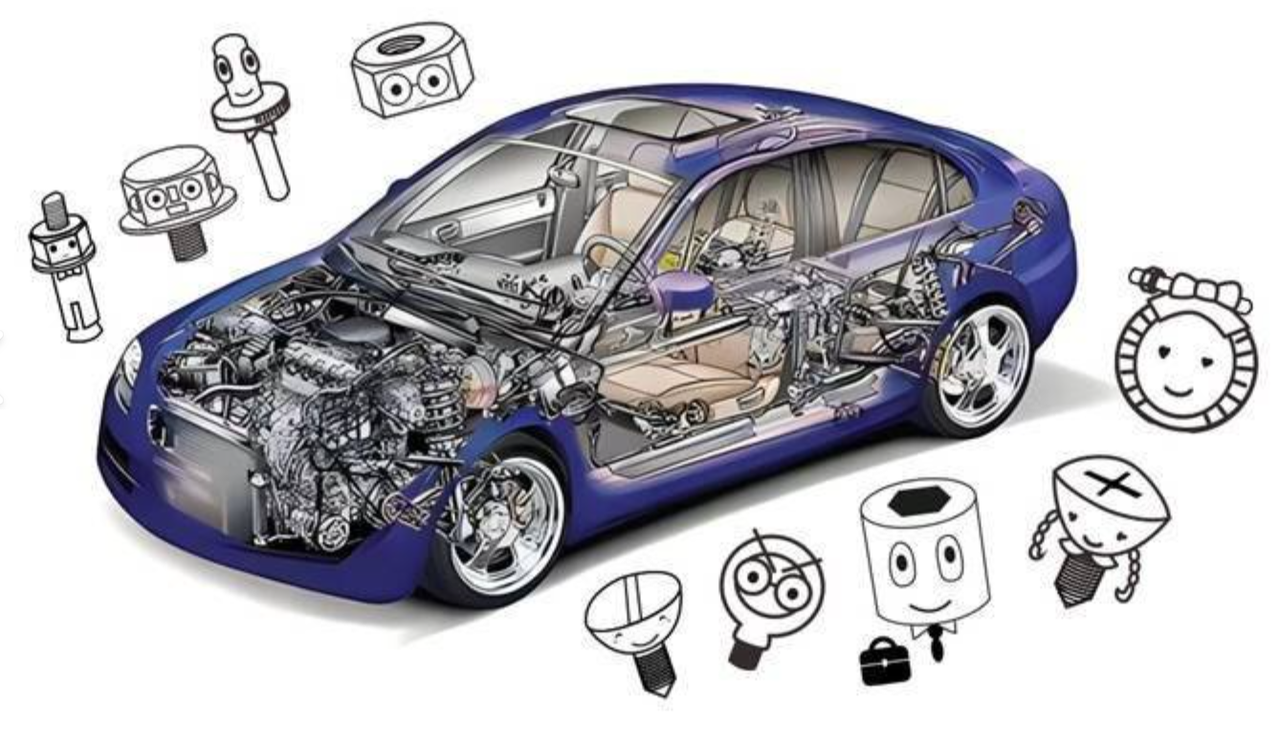
Pressure vessel and pipeline flange is the largest application market for double end studs. The two ends of the stud pass through the flange and are locked with nuts on both sides, with uniform stress and good sealing effect to prevent medium leakage. Automotive and internal combustion engine: cylinder head double head studs bear high temperature and alternating vibration for a long time, requiring high fatigue resistance. New energy industry: energy storage equipment, battery cabinet frame custom studs, lightweight and corrosion-resistant stainless steel studs are mainstream choices. Engineering machinery and mining equipment: high-tensile alloy steel studs resist impact and heavy pressure to prevent connection loosening.
4. How to Choose Qualified Double End Studs
Focus on three core points when purchasing: confirm strength grade (4.8/8.8/10.9/12.9), match material with working environment (anti-corrosion or high temperature), and clarify thread standard (Metric, UNC, UNF). Custom non-standard double head studs need to provide detailed drawings of length, thread length, rod diameter and special requirements.
As a professional fastener manufacturer, Dexin Metal supports mass production of standard stud bolts and customized non-standard double end studs. With mature cold rolling thread technology and complete quality inspection system, we provide stable, high-strength stud bolt supporting solutions for global industrial customers.


 CN
CN EN
EN