

 CN
CN EN
EN
The Importance of Screw Torque: Assembly Stability & Fastener Service Life Guide
Release time:2026.08.19
Source:Dexin Metal
Views:73
How Proper Torque Prevents Loosening, Cracking and Fastener Failure
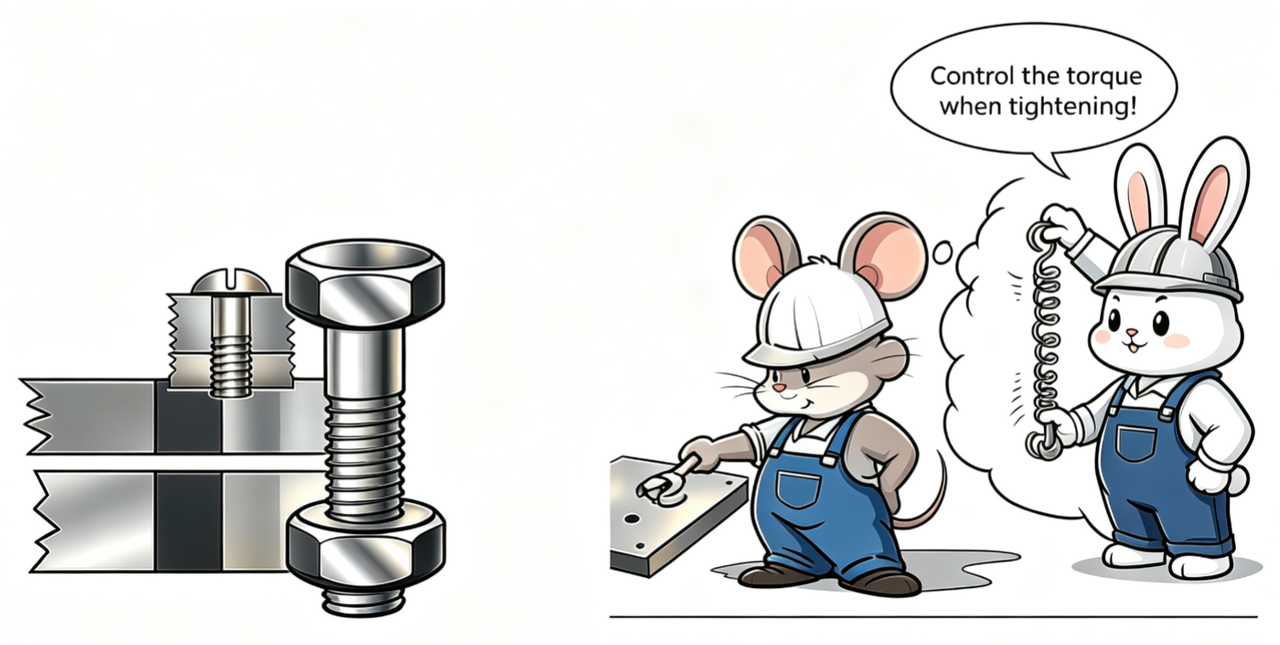
1. What Is Screw Torque in Fastener Assembly?
Screw torque is the rotational force used to tighten fasteners into pre-drilled holes or threaded joints. Every standard fastener, whether metric screws, UNC/UNF threaded bolts, studs or furniture connecting fasteners, has a matched standard torque range. Torque value is determined by fastener material, strength grade, thread specification and installation substrate. Carbon steel fasteners, stainless steel fasteners and high-strength alloy fasteners all carry different torque bearing limits. In standardized industrial production, torque is no longer an empirical operation but a precise numerical standard that directly defines assembly quality.
2. Hazards of Insufficient Tightening Torque
Insufficient torque means the fastener is not fully locked in place. At the initial stage of installation, the connection may seem normal, but hidden risks will gradually appear during long-term use. In mechanical equipment and automotive parts, slight vibration will cause under-tightened screws to loosen continuously, resulting in component displacement, abnormal equipment noise, or even equipment shutdown failure. In furniture assembly, insufficient torque leads to shaking sofa legs, wobbly table tops and unstable cabinet structures, greatly reducing product experience and service life.
In addition, loose fasteners will produce continuous friction between threads, causing thread wear, gap enlargement and further loosening circulation. For exported furniture and industrial equipment, unqualified torque is one of the main reasons for after-sales complaints and return orders.
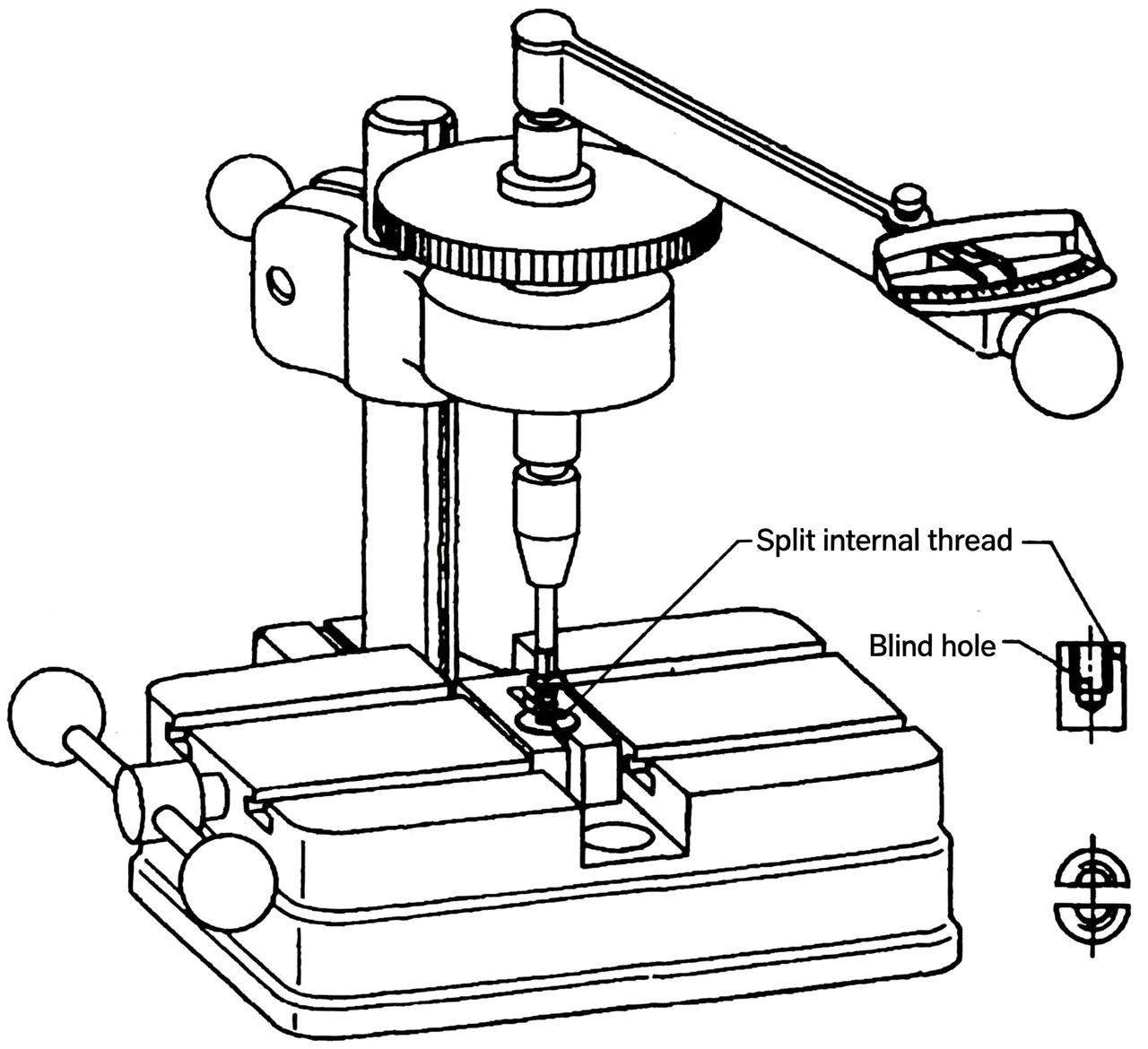
3. Dangers of Excessive Over-Torque Tightening
Over-tightening is more harmful than under-tightening and is the main cause of invisible fastener failure. When the tightening force exceeds the bearing limit of the fastener and substrate, the thread will be over-extruded, resulting in thread slipping, tooth flattening and permanent thread damage. For wooden furniture assembly, excessive torque directly squeezes wood fibers, causing board cracking, hole expansion and scrapped workpieces.
For high-strength bolts and stainless steel fasteners, excessive torque will produce internal metal fatigue and micro-cracks. Although the surface looks intact during installation, the fastener may suddenly break under slight pressure or vibration in the later stage, bringing serious safety risks to mechanical equipment and engineering structures.
4. Core Benefits of Standardizing Screw Torque
First, standard torque ensures consistent assembly stability. Unified torque standards make every fastener’s pre-tightening force uniform, avoiding partial loosening and ensuring overall structural balance of equipment and furniture. Second, it effectively extends fastener service life. Moderate locking force protects the integrity of thread fibers, reduces wear and fatigue, and maximizes the durability of standard and custom fasteners.
Third, standardized torque greatly reduces after-sales risks and production costs. Factories can avoid defective products caused by human operation errors, reduce wood cracking, thread slipping and fastener damage waste, and improve overall product qualification rate. For high-end equipment and export-grade products, precise torque control is an important symbol of manufacturing professionalism.
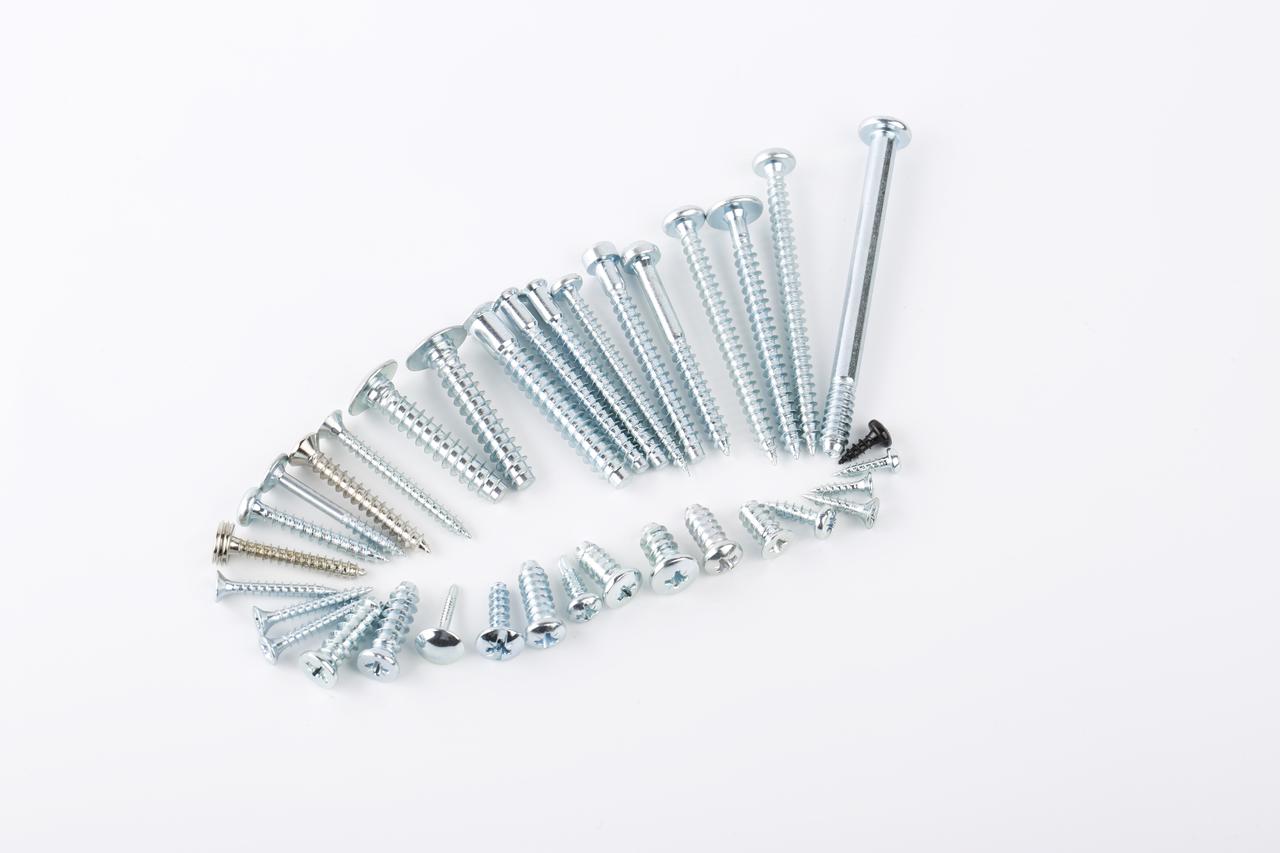
5. Professional Torque Matching Suggestions
Different fastener specifications and application scenarios require targeted torque values. Small-size furniture fasteners need low and balanced torque to protect wooden substrates; high-strength industrial bolts need higher standard torque to ensure high-pressure and heavy-load resistance; precision equipment fasteners require extremely precise torque control to avoid structural deformation.
As a professional fastener manufacturer, Dexin Metal provides standardized fastener matching suggestions and technical support. We strictly control thread precision and material toughness for all products, ensuring that each fastener can achieve the best locking effect under standard torque conditions, helping customers optimize assembly efficiency and product quality.
News recommendation

25 Years as IKEA Priority Supplier: Reliable EU-Standard Furniture Hardware Solutions
2026-08-26
Kitchenware Fasteners Explained: Function & Selection Guide for Pot Lid Screws
2026-10-08
Outdoor Screw Selection: Anti-Corrosion Performance & Service Life
2026-10-06
What are common pins? Introduction to pin types.
2026-09-30
Stainless Steel Fasteners: Critical EV Connection Solution
2026-09-28