

 CN
 EN
Choosing Fastener Surface Treatments—Beyond Color and Salt Spray Hours
Release time:2026.11.04
Source:Dexin Metal
Views:3
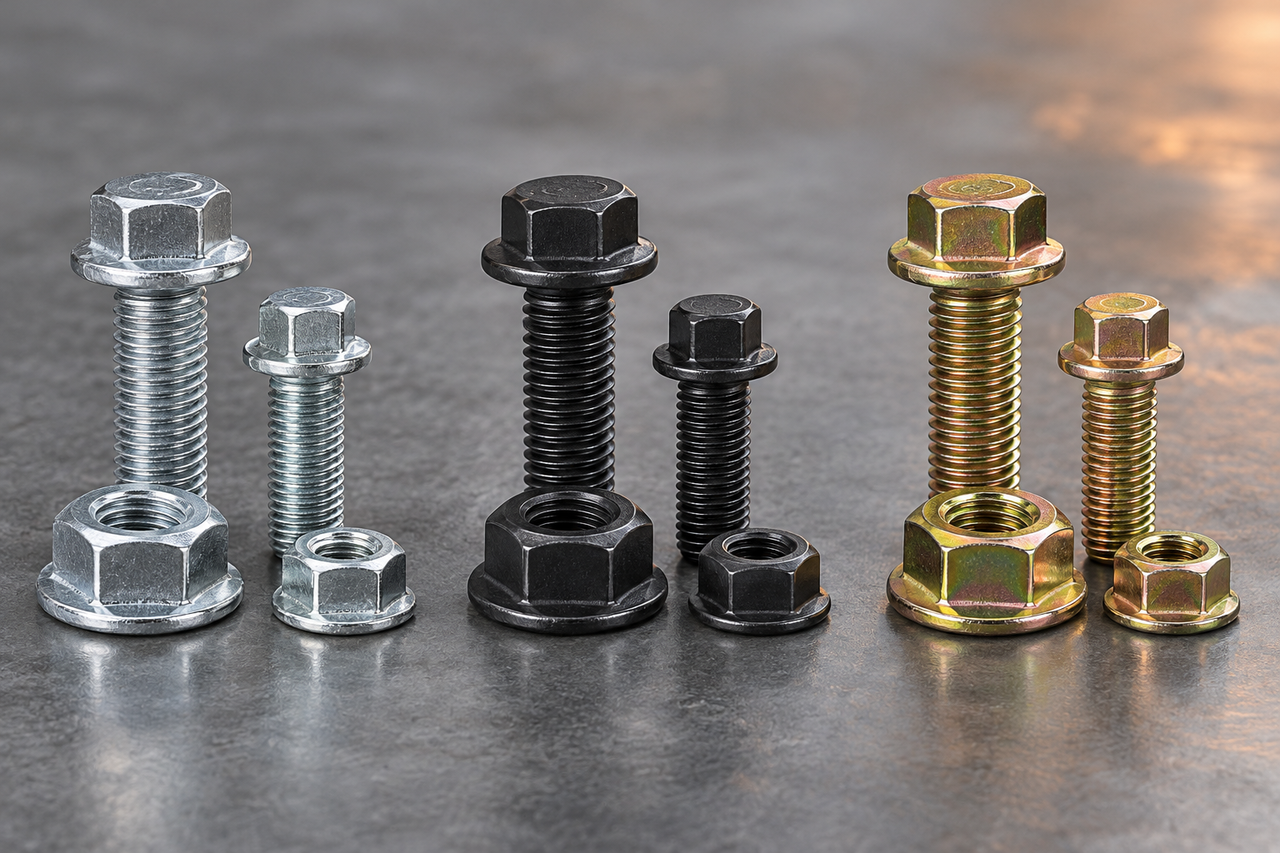
Surface treatment is an important part of fastener selection, but purchasing requirements are sometimes reduced to a simple color description: black, silver, or yellow.
Color helps describe appearance. It does not fully define corrosion performance, coating structure, or suitability for a particular application.
A practical coating specification should consider the fastener material, service environment, thread fit, installation conditions, and acceptance requirements. Understanding these factors helps buyers compare quotations more accurately and avoid assumptions about performance.
Start with the Service Environment
Indoor furniture, outdoor equipment, automotive components, and products stored in humid conditions can face very different exposures.
Before selecting a finish, consider whether the fastener will encounter rain, condensation, salt, cleaning chemicals, or repeated temperature changes. Contact with surrounding materials should also be evaluated, particularly where moisture may be present.
A request for “good rust resistance” leaves considerable room for interpretation. Describing the application and exposure conditions gives the supplier more useful information for discussing suitable materials and coating options.
Similar Colors Can Represent Different Coating Systems
Fastener appearance may result from a metallic coating, passivation treatment, sealer, topcoat, or a combination of processes.
Two products with similar colors can have different coating thicknesses, processing histories, and performance characteristics. Appearance alone is therefore an unreliable basis for substitution.
Purchasing documents should identify the required finish as clearly as possible. For an approved product, retaining reference samples, technical specifications, and inspection records can help maintain consistency across repeat orders.
Where appearance is important, buyers should also agree on acceptable variations in shade, gloss, and surface condition.
Evaluate Electroplated Zinc and Zinc Flake Coatings by Application
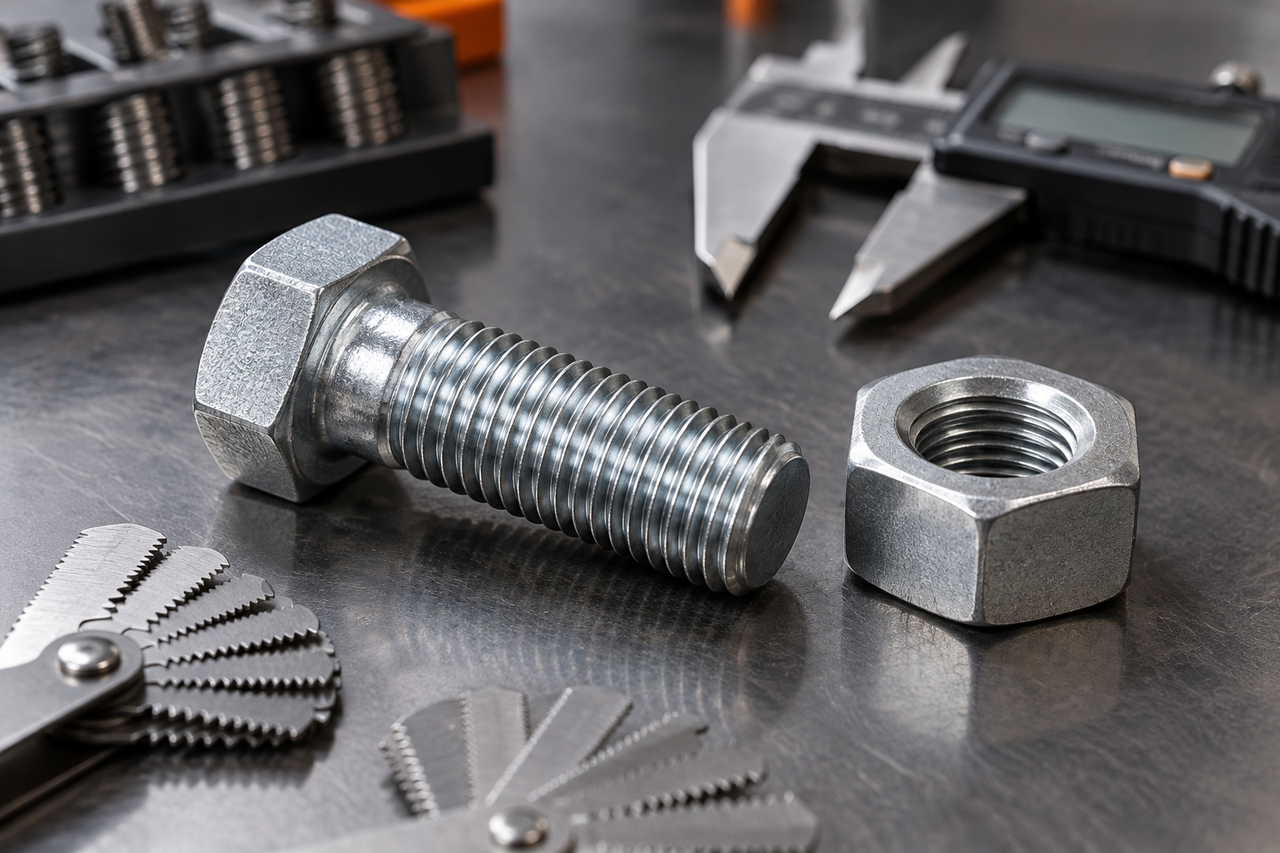
Electroplated zinc and zinc flake coatings are established options for protecting fasteners against corrosion. Their processing methods and characteristics differ, and performance depends on the complete coating system.
Selection should account for the fastener’s strength, geometry, mating threads, and applicable customer requirements. High-strength components also require consideration of hydrogen embrittlement risks and the relevant process controls.
The aim is to choose a coating that supports the connection’s function. A coating should not be selected solely because its advertised test duration is higher than another option.
Understand What Salt Spray Results Actually Describe
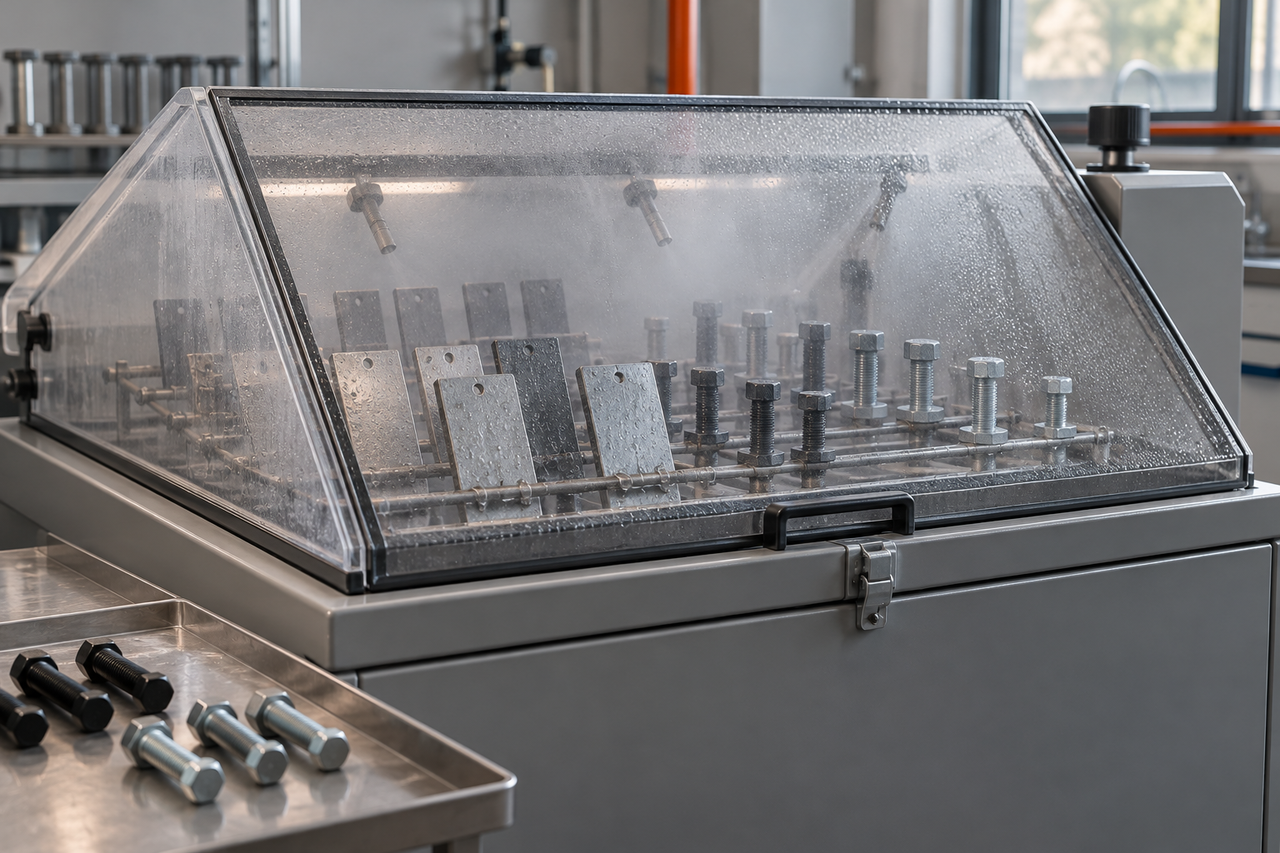
Salt spray testing evaluates corrosion behavior under controlled laboratory conditions. A meaningful result needs more information than a number of hours.
The test method, specimen condition, evaluation criteria, and type of corrosion being assessed should all be identified. For example, the appearance of white corrosion products and the appearance of red rust on the steel substrate are different observations.
Salt spray hours should not be directly converted into years of outdoor service. Actual exposure includes changing wet and dry conditions, contaminants, wear, and other influences that a single laboratory test does not reproduce.
When comparing results, check that the test conditions and acceptance criteria are comparable.
Check Assembly Performance After Coating
Coatings occupy space and can influence threaded fit. Tight-fitting threads may require particular attention to their finished condition.
Surface treatments can also affect friction during tightening. A change in coating or lubrication may therefore require a review of the assembly process rather than automatic reuse of an existing torque setting.
Inspection should address the characteristics relevant to the application, including appearance, thread fit, corrosion requirements, and necessary assembly checks.
Define the Finish Before Production Begins
Dexin Metal works with customers to discuss surface-treatment requirements in relation to product drawings and intended use.
Clear specifications help align expectations before manufacturing starts. By considering corrosion protection, appearance, dimensional fit, and installation together, buyers can select finishes that better support their finished products.
News recommendation

25 Years as IKEA Priority Supplier: Reliable EU-Standard Furniture Hardware Solutions
2026-08-26
How Furniture Fasteners Influence Product Quality—from Joint Design to Assembly
2026-11-02
Fastener Sourcing After Phase 1 of the 140th Canton Fair: Quality, Customization and Supplier Capability
2026-10-30
China’s Key Fastener Manufacturing Regions: Guangdong, Zhejiang and Hebei
2026-10-28
Fitness Equipment Fasteners: High-Strength Solutions for Safe and Reliable Training
2026-10-26