

 CN
 EN
Developing Custom Fasteners—from Drawing Review to Mass Production
Release time:2026.11.05
Source:Dexin Metal
Views:9
Standard fasteners meet many manufacturing needs. However, some designs require a special head shape, shoulder diameter, thread length, or combination of features that cannot be found in a standard catalog.
Custom fasteners can address these requirements, but successful development involves more than changing a dimension. The component must balance its intended function with material selection, manufacturing feasibility, inspection requirements, and production cost.
A structured development process helps turn a design concept into a repeatable manufactured part.
Explain the Function Behind the Drawing
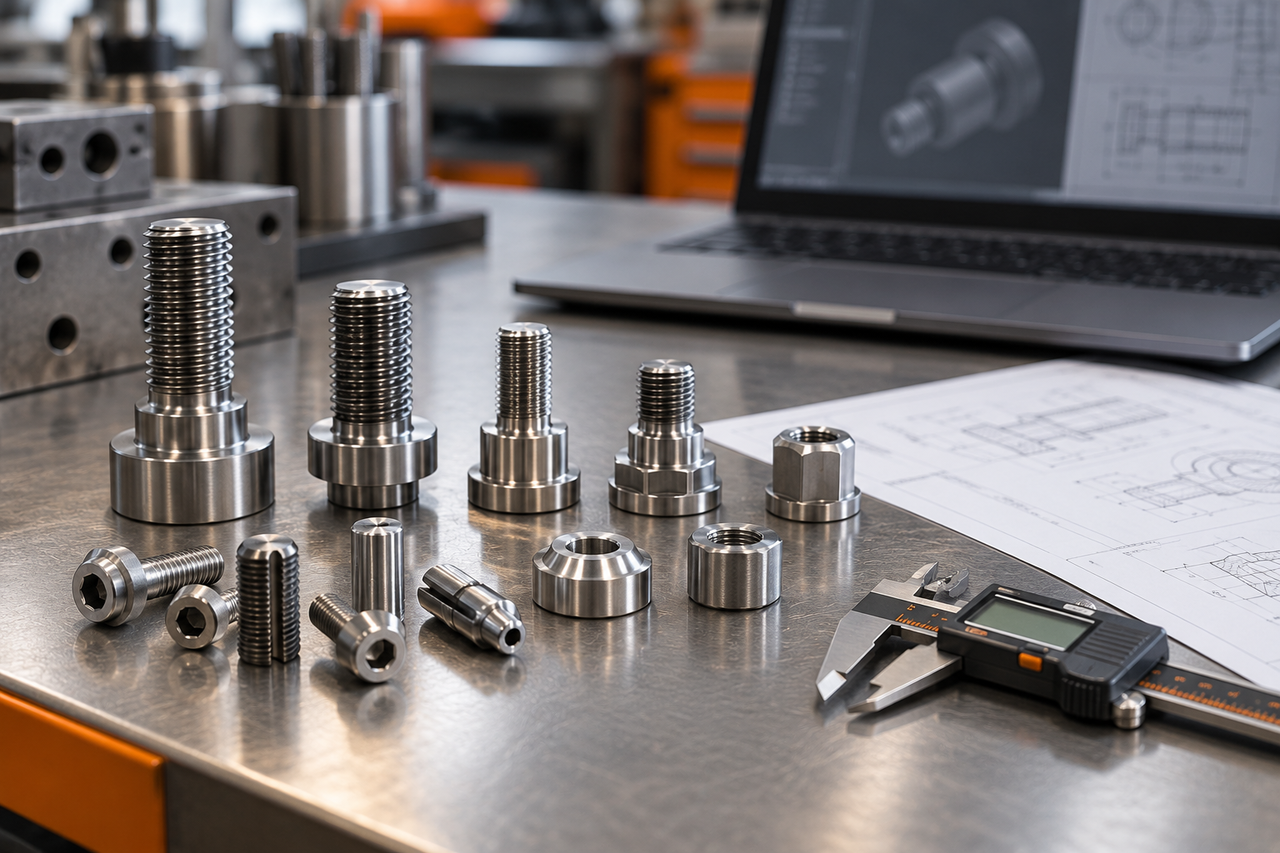
A drawing communicates geometry, but it may not explain how the component is expected to work.
At the beginning of a project, useful information includes the mating components, installation method, service environment, and available assembly space. It also helps to identify which features provide location, clamping, spacing, or movement limitation.
Understanding the function allows the manufacturer to assess the design more effectively. A photograph alone rarely provides enough information to determine hidden dimensions, material requirements, or tolerances.
Where a drawing is unavailable, a physical sample can support discussion, although the final production requirements still need to be documented and agreed upon.
Identify Critical Dimensions and Acceptance Requirements
Custom manufacturing does not mean every dimension requires a very tight tolerance.
Unnecessarily restrictive tolerances can increase tooling, processing, and inspection costs without improving the component’s performance. A more useful approach is to identify the features that directly affect fit and function.
These may include a locating shoulder, mating-hole diameter, effective thread length, or bearing surface. Requirements should reflect how the part interacts with the rest of the assembly.
The drawing should also specify the material, finish, and necessary mechanical properties. Special inspection requirements should include an agreed method and clear acceptance criteria.
Choose a Suitable Manufacturing Route
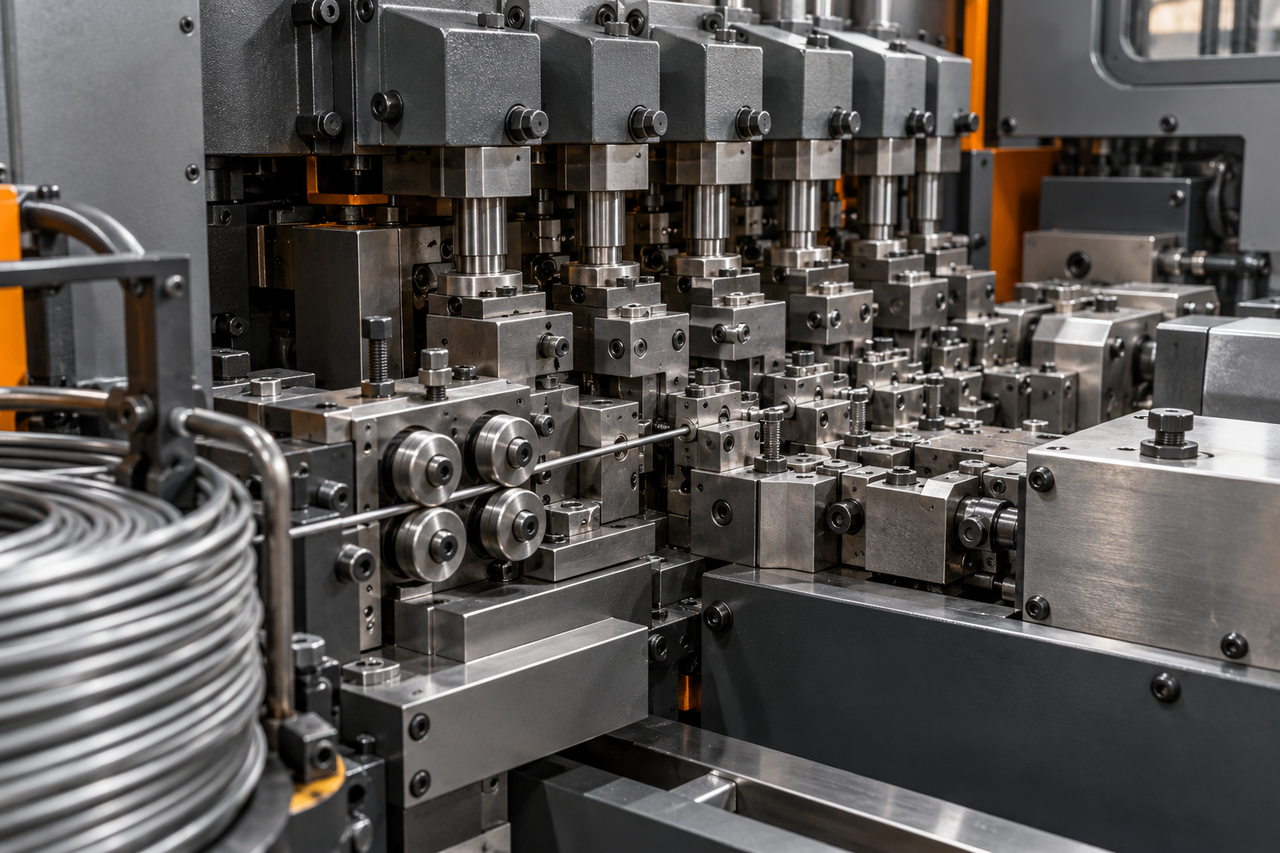
Cold heading forms metal through controlled deformation in tooling. It can be an effective production method for suitable fasteners and other formed components.
Multi-station equipment allows a shape to be developed through several forming stages. However, feasibility depends on the material, geometry, required deformation, and production requirements.
Some components also need tapping, thread rolling, turning, or other secondary operations. The most appropriate route may combine forming and machining rather than relying on a single process.
Order quantity matters as well. Tooling investment must be evaluated alongside the expected production volume and unit processing cost.
Validate Samples in the Actual Assembly
Sample approval should go beyond appearance and basic dimensions.
The component should be evaluated with its actual mating parts wherever practical. Checks may include installation access, thread engagement, locating performance, tool compatibility, and the completed connection.
If the finished product requires heat treatment, coating, or a pre-applied locking feature, final validation should account for those processes. An unfinished sample may behave differently from the completed production part.
Any changes identified during evaluation should be incorporated into the approved drawing or specification. Clear revision control helps prevent outdated requirements from reaching production.
Establish a Clear Basis for Mass Production
Once the sample is approved, the production team needs a consistent reference.
Approved drawings, reference samples, inspection requirements, and packaging instructions should be retained. Changes to material, geometry, or processing should be reviewed according to the agreed change-control procedure.
The transition from sampling to production is also an opportunity to confirm critical inspection points and product identification requirements.
Work Toward Repeatable Manufacturing
Dexin Metal uses multi-station cold-heading equipment and evaluates manufacturing options for custom fasteners and connecting components.
Customers can provide drawings or samples for discussion of forming, secondary processing, and assembly requirements. Early technical communication helps identify questions before tooling and production decisions are finalized.
A successful custom-fastener project delivers more than an acceptable sample. It establishes a component that can be manufactured consistently and integrated into the customer’s production process.
News recommendation

25 Years as IKEA Priority Supplier: Reliable EU-Standard Furniture Hardware Solutions
2026-08-26
Choosing Fastener Surface Treatments—Beyond Color and Salt Spray Hours
2026-11-04
How Furniture Fasteners Influence Product Quality—from Joint Design to Assembly
2026-11-02
Fastener Sourcing After Phase 1 of the 140th Canton Fair: Quality, Customization and Supplier Capability
2026-10-30
China’s Key Fastener Manufacturing Regions: Guangdong, Zhejiang and Hebei
2026-10-28