CN
 EN
A flat-pack cabinet, an office chair or a height-adjustable desk typically carries 20 to 60 fastener lines: pan screws, hex bolts, flange nuts, washers, threaded inserts, dowel assemblies and a few special parts. Most factories buy them from three to six suppliers, split by category, size or price.
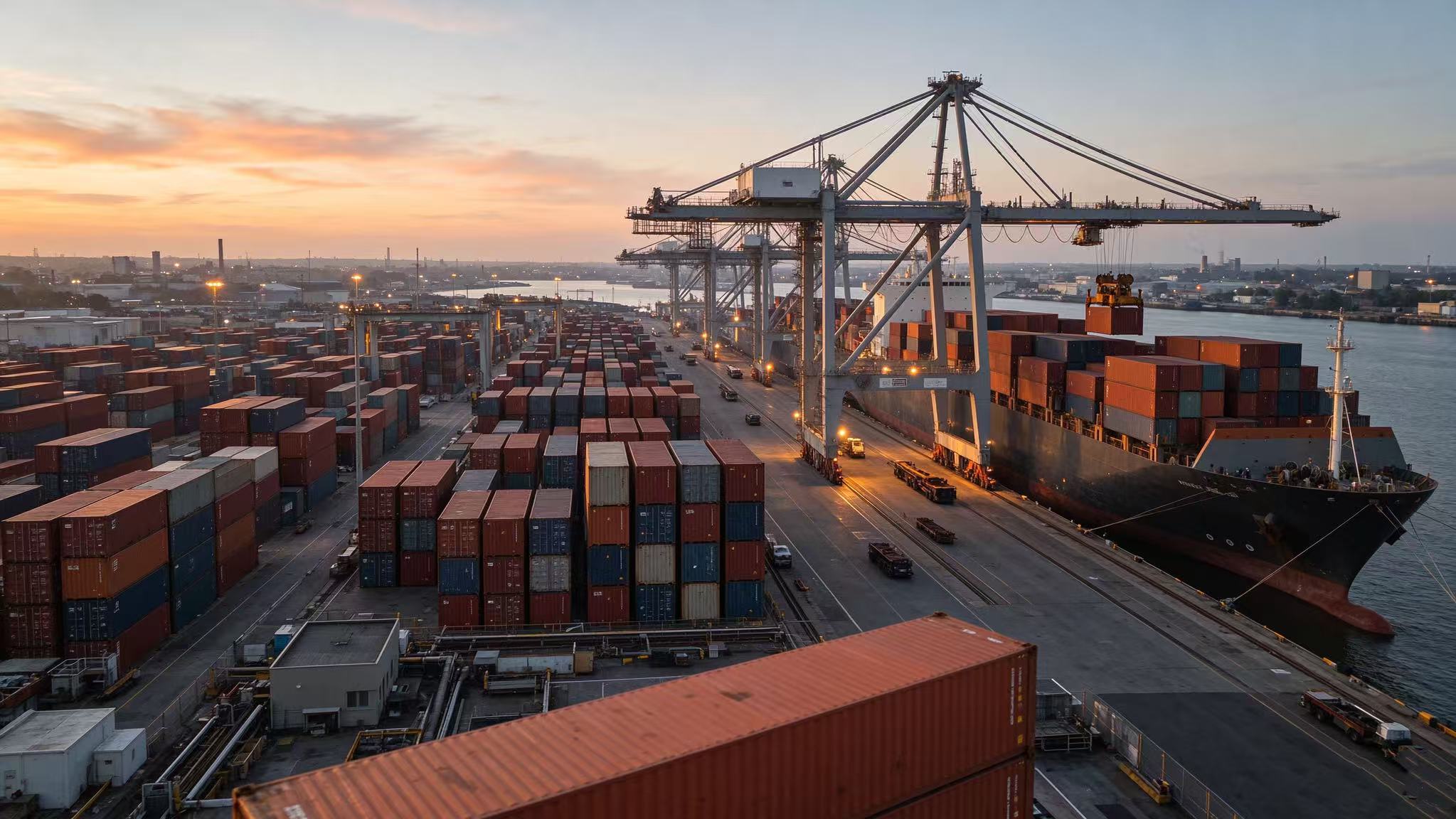
On paper the unit prices look competitive. At the receiving dock, the same bill of materials produces six inbound shipments, six sets of documents, six plating lots and six answers when something goes wrong.
What Fragmentation Costs
The visible cost is freight and administration. The larger cost is usually consistency.
When the same drawing is produced on two plating lines, color, coating thickness and salt spray result can differ. A screw and a nut that sit next to each other on the assembly shelf may come from different lots with slightly different thread fit, and the torque setting that worked on Monday needs adjustment on Wednesday. None of these differences is large enough to fail an inspection on its own, and all of them slow the line.
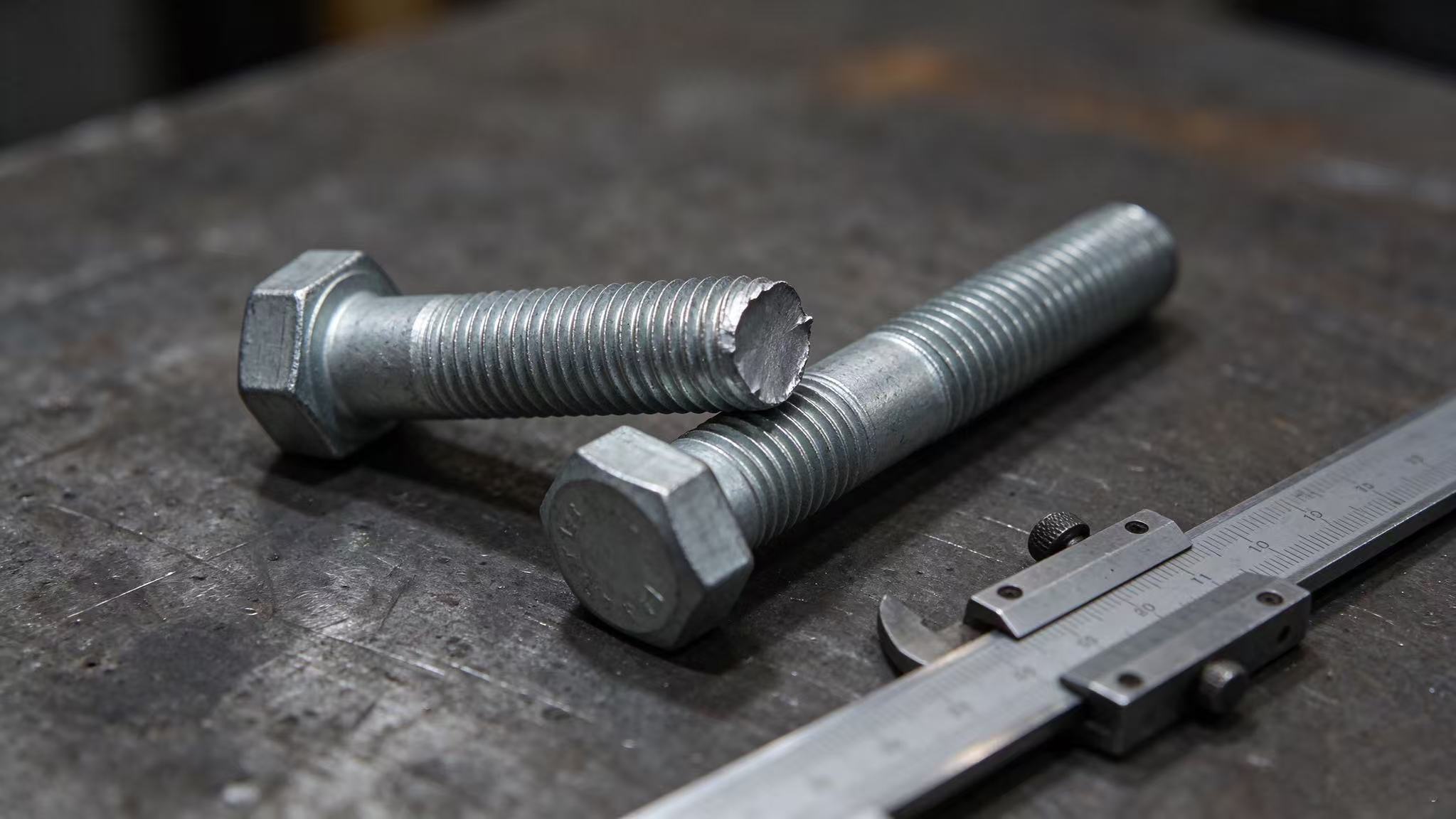
Claims are the second hidden cost. When a joint fails, the screw supplier, the nut supplier and the plater each have a defensible explanation. Resolving it takes meetings, samples and weeks, while the customer's production continues with substituted parts.
The third is planning. With six suppliers, a specification change on one part means re-quoting a fraction of the bill of materials, re-approving a sample and rebuilding safety stock on that line—while the other five suppliers' minimum order quantities and lead times stay where they were.
What Consolidation Changes
Consolidated supply means one purchase order covers the fastener content of a program, produced under one quality system, packed to one plan and shipped together.
At Dexin Metal, that scope covers screws, nuts, washers, threaded inserts, dowel assemblies and custom non-standard parts, from Ø1.0 mm micro screws to Ø36 mm heavy-duty nuts. Because the same plant runs the cold heading, threading, heat treatment and coating routes, a mixed order shares raw material discipline, process parameters and inspection criteria instead of inheriting six different sets.
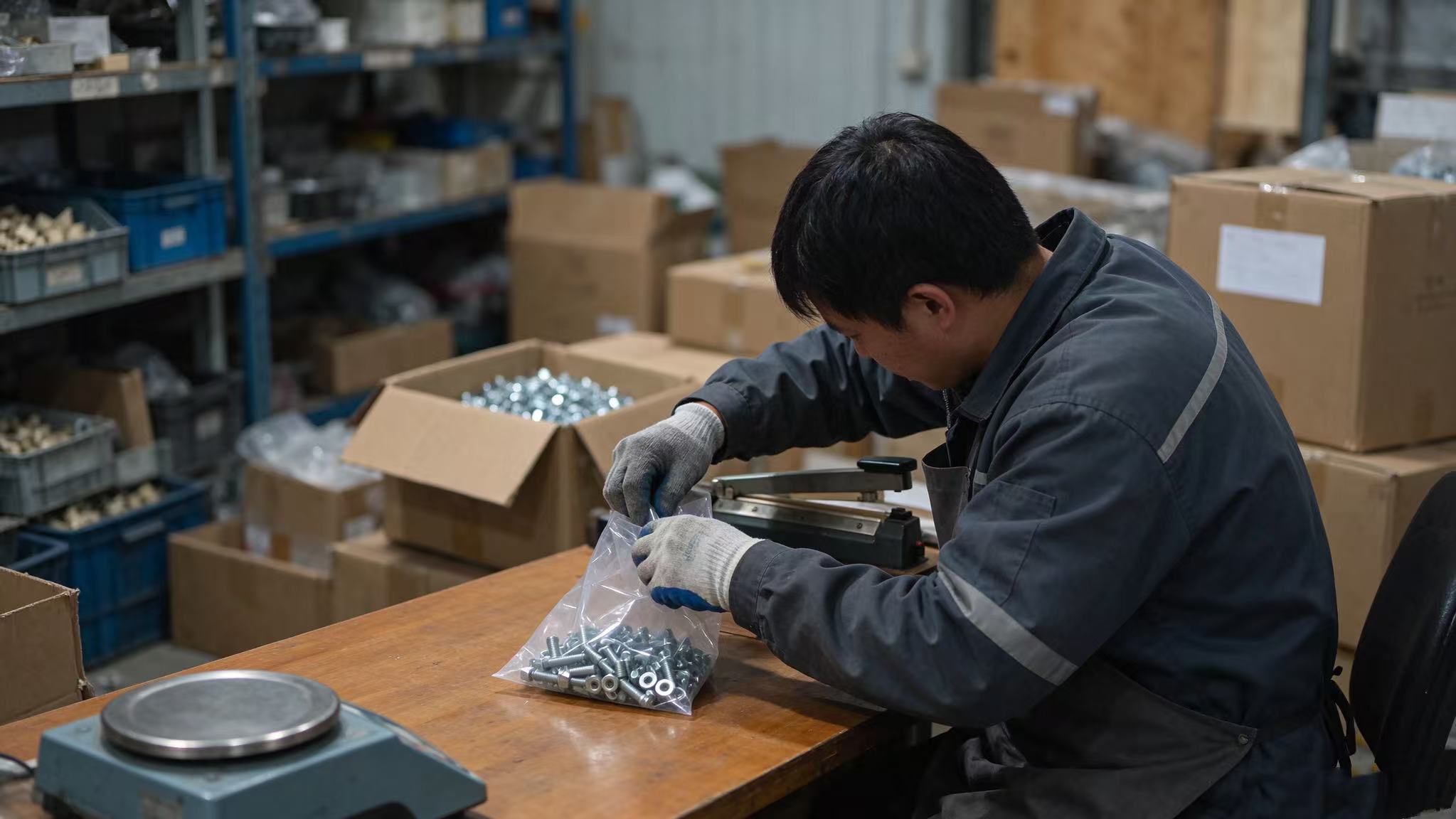
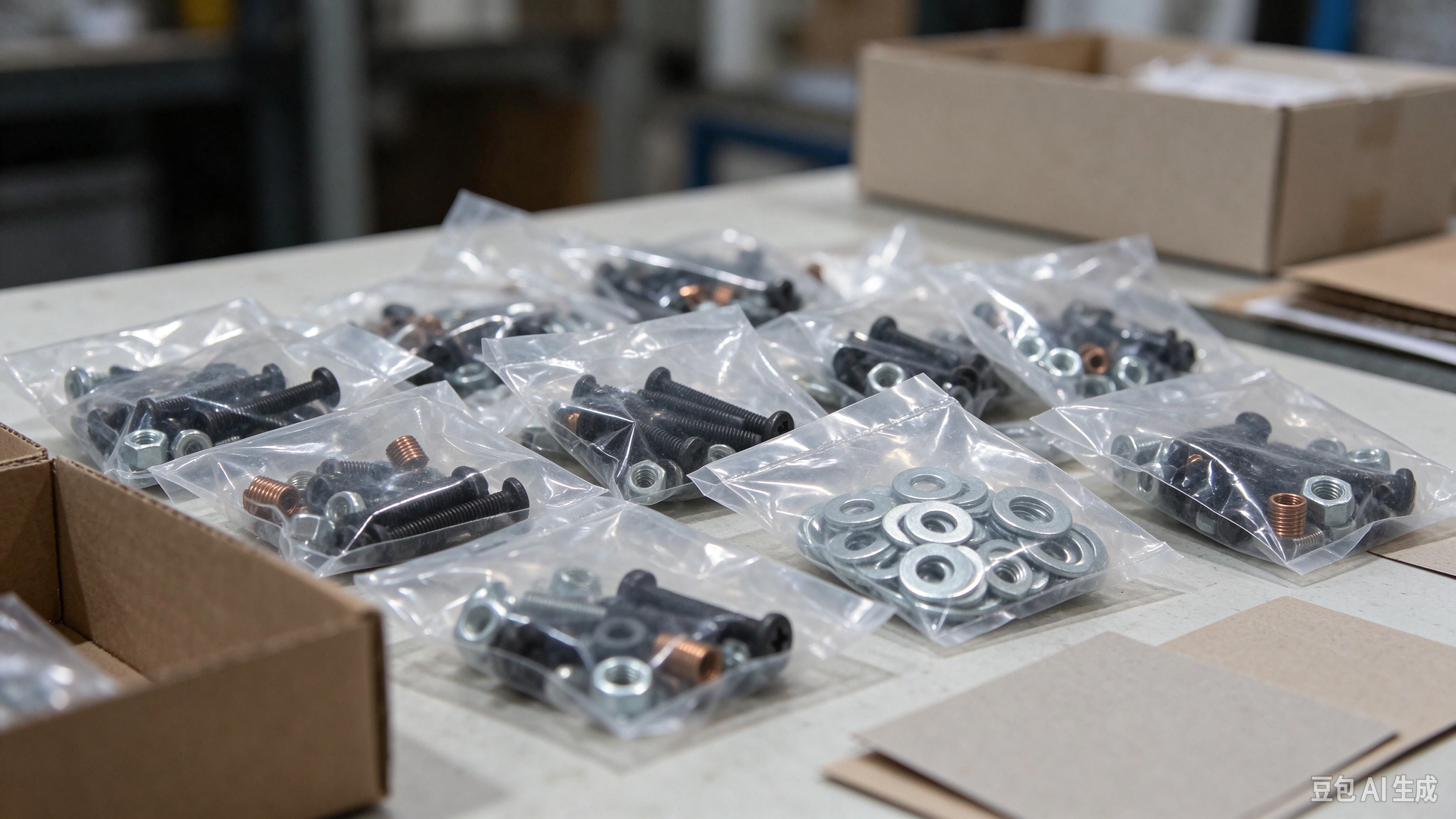
Packaging is where consolidation becomes visible on the customer's floor. Fastener sets can be bagged by assembly step or by panel, with part number and quantity printed on each bag. Master cartons carry SKU, quantity and lot information, and a single packing list covers the whole order. For a furniture program, that turns a receiving check of forty cartons into a check of one container against one document.
How the Order Runs
The process starts before quotation, with a bill of materials review. We check the drawing or standard for units, thread standard, material, property class, coating and packaging method, then flag the near-identical parts. Two screws that differ by two millimeters in length are a mix-up risk on the line; sometimes they can be standardized, and sometimes they need separate, clearly marked packaging. Both outcomes are better decided before production than after.
Sampling follows the same logic. First articles are approved per part family rather than per shipment, and the approved sample and its inspection record stay with the order.
Production planning groups parts by machine and coating batch. When a screw, a nut and a washer are destined for the same assembly set, plating them in the same batch avoids the color difference that customers notice first, even when coating thickness is within tolerance on both lots.
Inspection is planned by risk, not by carton. Dimensions, thread fit, hardness and salt spray are checked against the agreed plan, and the records travel with the shipment.
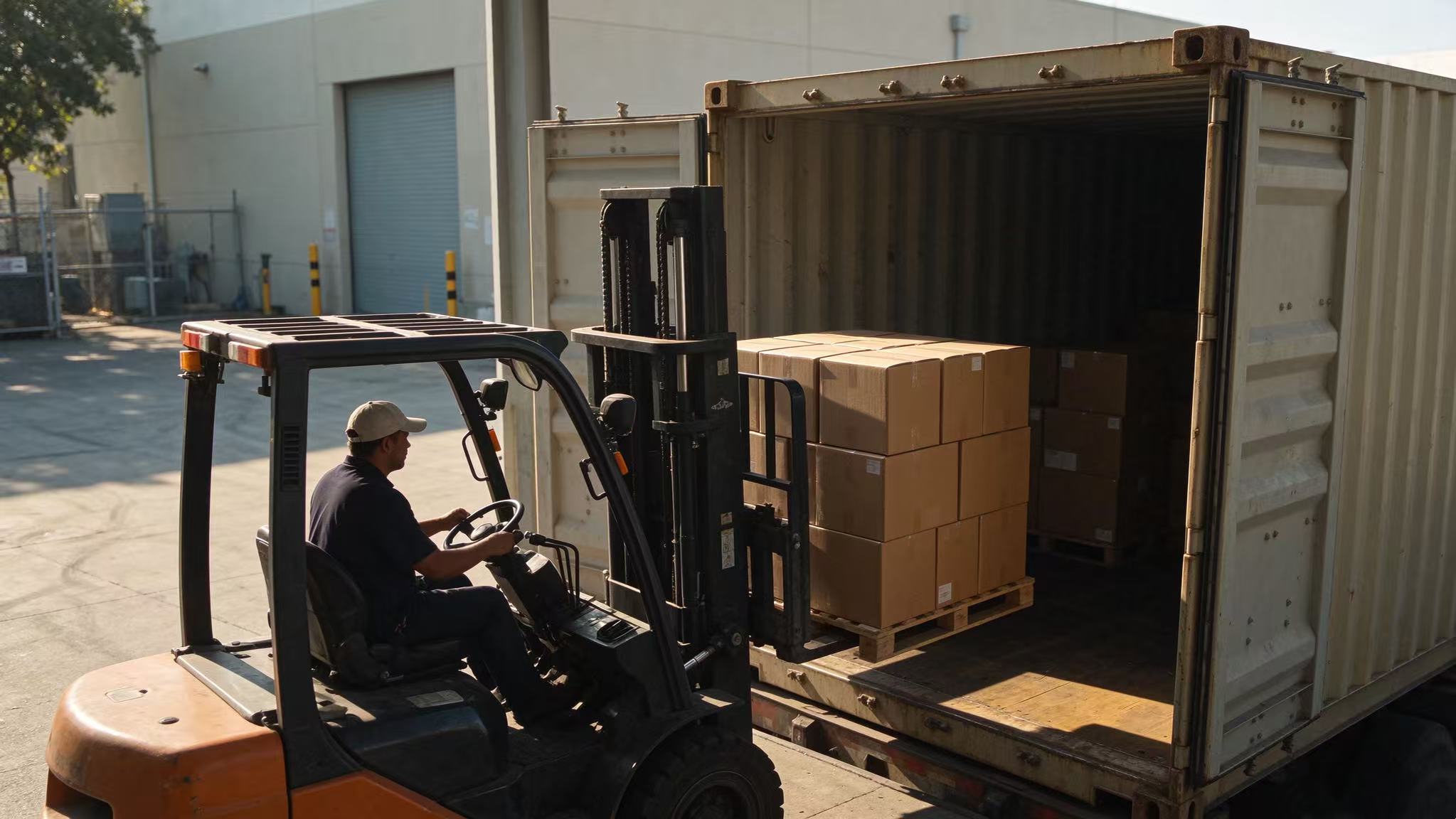
Loading is planned last and matters more than it appears. Heavy cartons go at the bottom, mixed-SKU pallets are configured for the customer's warehouse layout, and carton marks follow the receiving system's format rather than the factory's convenience.
Where Consolidation Is Not the Answer
Consolidation is a supply strategy, not a universal rule. A single SKU running in millions per month may still be better served by a dedicated line and a direct shipment. Parts that require a process outside the plant's scope should stay with the specialist who owns that process. An urgent replenishment of one item should be shipped on its own rather than held for a consolidated container.
The useful test is the total cost of the program: how many suppliers, how many inbound shipments, how many inspection plans, and how many claim conversations the current split creates in a year.
A Practical Starting Point
Send the fastener bill of materials with annual volumes and the packaging method used on the line. A sixty-line bill of materials usually reveals 10 to 20 percent overlap—duplicate lengths, near-identical washers, parts that could share a plating batch—and that overlap is where consolidation pays for itself first.
Dexin Metal has supplied furniture and industrial fasteners since 2000 from a 13,000 m² plant in Dongguan, with more than 350 production machines and a size range from Ø1.0 mm to Ø36 mm. Consolidating a bill of materials into one order, one quality standard and one shipment is a routine part of how we quote.