CN
 EN
Chinese New Year 2027 begins on Saturday, 6 February. For a buyer in Europe or North America, the date looks like a two-week interruption in one factory. In practice it is a six-to-eight-week disturbance across production, coating, trucking, consolidation and ocean schedules.
An order that takes thirty days in October can take fifty in February. The difference is rarely the production time itself; it is the queue on either side of the holiday.

The Calendar Behind the Date
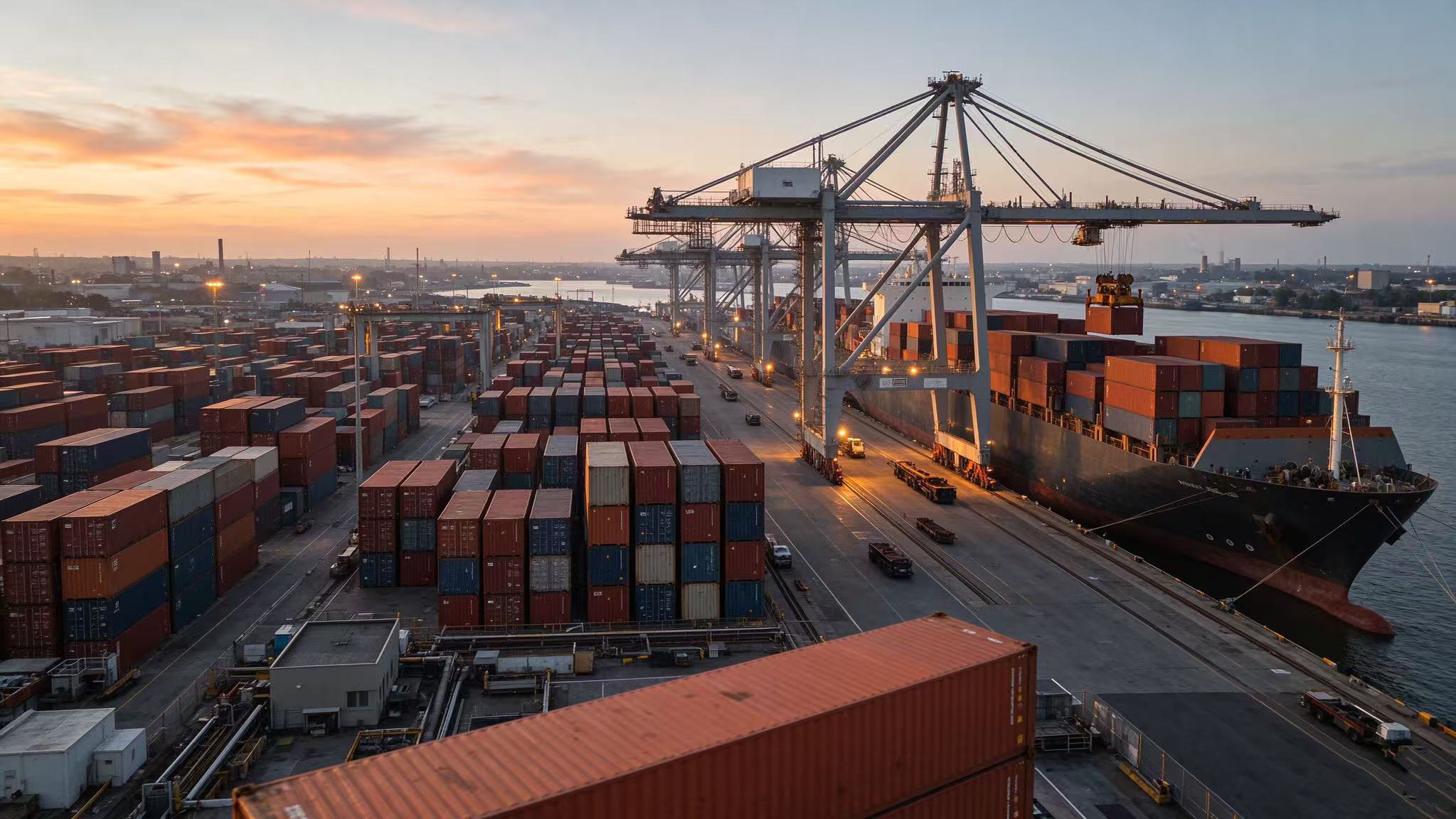
The weeks before the holiday are a peak, not a wind-down. Factories try to complete and ship orders before the break, so coating lines, heat treatment and final inspection are booked ahead, trucking capacity tightens, and container bookings close earlier than the sailing date suggests. A purchase order released in mid-January enters the back of that queue.
During the holiday, production stops. Offices are closed or staffed by a skeleton team, and no inspection, packing or shipment takes place. Official holiday dates are set each year, and the practical closure—including travel time for workers returning to their home provinces—is usually longer than the statutory days.
The return is gradual. Workers come back in waves, and the first week after reopening is often a restart week rather than a full-output week. Subcontract processes such as plating and heat treatment tend to recover more slowly than assembly, because their queues were already full before the break.
Four Windows Buyers Can Use
Ship before the holiday. Confirm specifications and approve samples by late November, release the purchase order in early December, and aim to complete inspection around 20 January. That leaves room for trucking and port congestion. This window suits first-quarter stock, promotions and programs with a fixed installation date.
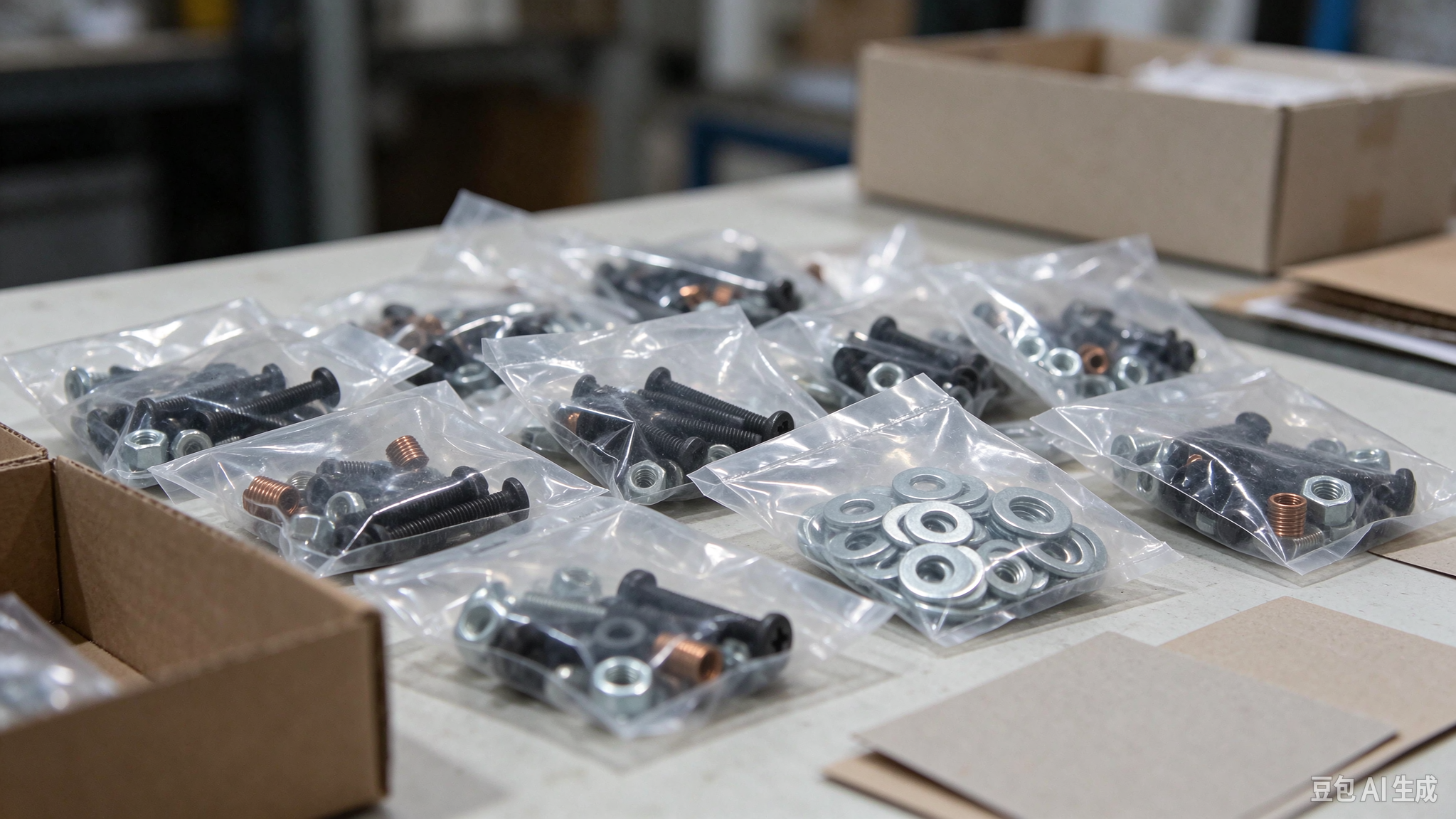
Build ahead and release after the holiday. Repeat SKUs can be produced in December and held for February release, which keeps the customer's line running without air freight. It requires warehouse space and an agreement on when title and payment transfer.
Book a post-holiday production slot. Place the order in December but schedule production for the first week after the restart. Capacity is allocated before the queue rebuilds, and the delivery date is more predictable than a January order with no reservation.
Split the shipment. For large programs, a partial shipment before the holiday and the balance after the restart is often cheaper than one late full container.
What Takes the Longest
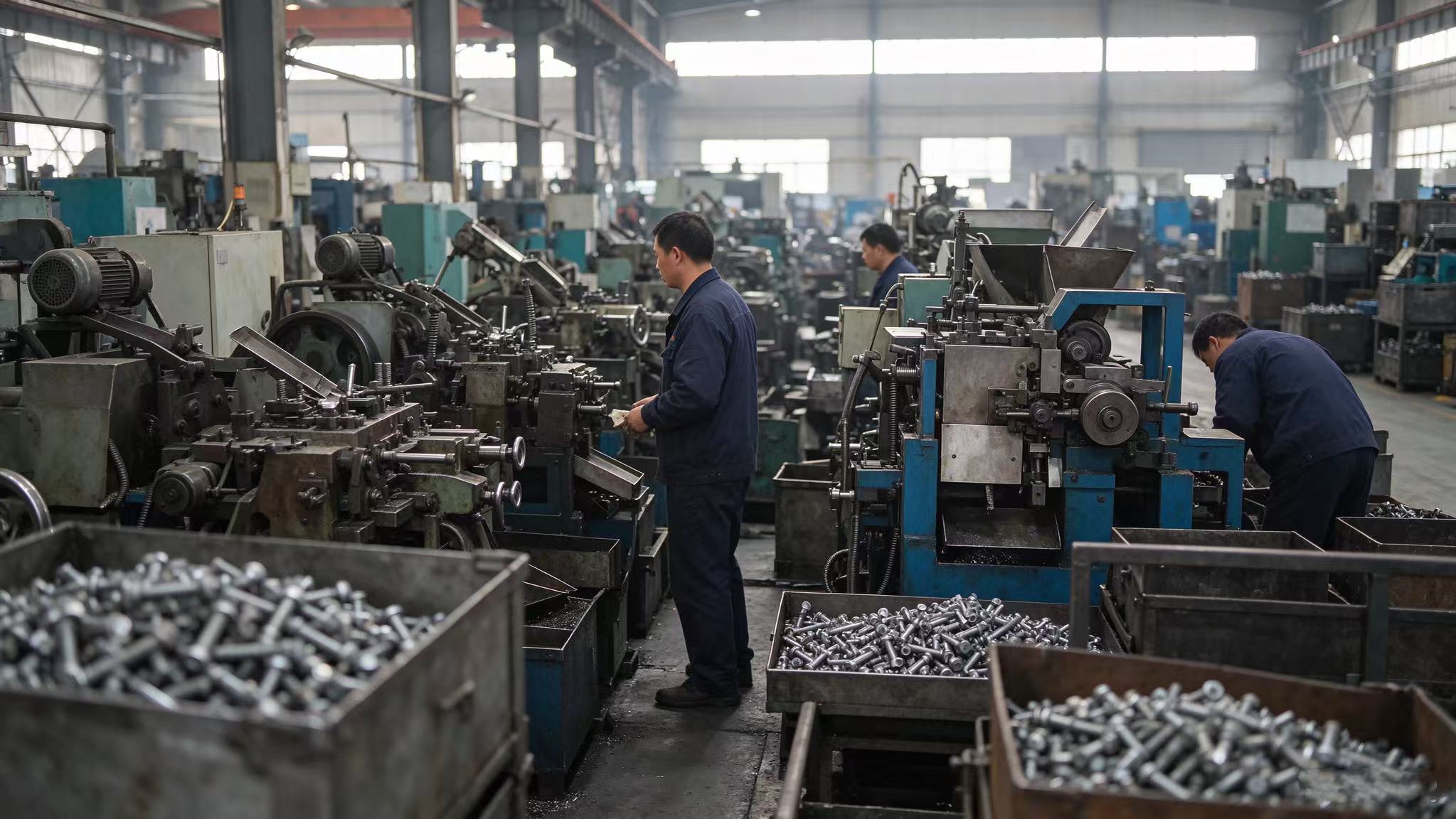
Not all fastener orders behave the same way in this period. Four items drive the critical path.
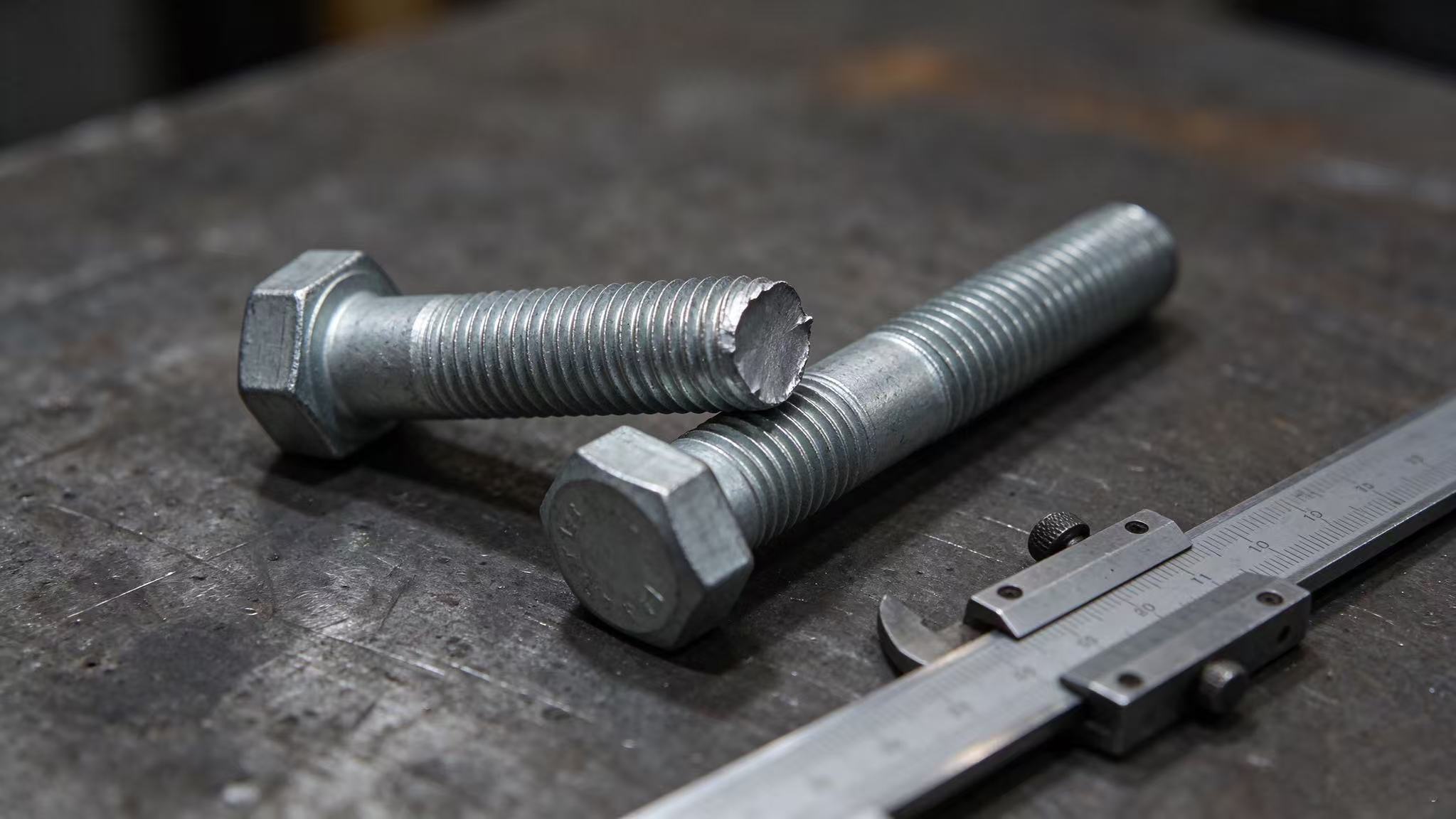
Custom tooling and first-article approval come first. A new die, a special head or a revised thread needs tooling time, a sample run and customer approval, and none of those steps compress easily at the end of the year.
Heat treatment and coating come second. These are batch processes with their own queues, and plating color consistency across a whole order is easier to hold when the parts are produced in one batch rather than split around the holiday.
Third-party testing comes third. If the customer requires salt spray, tensile or RoHS reports before shipment, the laboratory's schedule has to be added to the plan, and laboratories also slow down around the holiday.
Documentation and booking come last but cause the most avoidable delays. Missing a sailing because the booking was made after the cutoff costs more than the difference between two freight rates.
How Dexin Metal Plans Around the Break
Each year we confirm two dates with customers before the holiday: the production cut-off for pre-holiday shipments and the first production date after the restart. Orders are then sequenced by process—parts that need coating or heat treatment earlier, plain finished parts later—so that the coating line is not the constraint in the final week.
For repeat items, we discuss build-ahead stock with the customer and hold finished goods for a February release when warehouse space allows. During the closure, a sales and documentation contact remains reachable for shipment documents, customs questions and exceptions, even though production is stopped.
The Decision Point Is December
If a first-quarter 2027 program depends on fasteners, the useful deadline is not the holiday date. It is the date the order must be released so that tooling, coating and inspection are complete before the pre-holiday peak closes. In most cases that is early December—about eight weeks before 6 February.
Dexin Metal has manufactured screws, nuts and custom fasteners in Dongguan since 2000 and exports to furniture and industrial customers in Europe, North America and other markets. We confirm our holiday production cut-off and restart dates with customers each December, so that first-quarter deliveries can be planned against a real calendar rather than an assumption.