

 CN
 EN
Reducing the Total Cost of Fastener Purchasing—from RFQ to Inspection
Release time:2026.11.06
Source:Dexin Metal
Views:6
Fasteners may represent a small share of a finished product’s cost, yet their influence on manufacturing can be significant.
Incorrect specifications, mixed packaging, or inconsistent fit can create sorting work, assembly interruptions, and rework. These costs may outweigh an initial saving in the purchase price.
For buyers, a more useful approach is to evaluate the total cost of supply: product price, inspection effort, assembly performance, packaging, and delivery consistency.
Make Quotations Comparable
Supplier quotations are difficult to compare when they are based on different assumptions.
A clear request for quotation should identify the drawing or product standard, dimensions, material, strength requirements, surface treatment, quantity, and packaging method. Delivery terms and required documentation should also be stated.
For repeat products, sharing the expected annual demand alongside the planned order quantity can help suppliers assess production arrangements. Forecast quantities should be distinguished from committed orders.
Complete information reduces clarification cycles and helps buyers understand what is included in each offer.
Evaluate the Connection, Not Just the Appearance
A fastener can look acceptable and still be unsuitable for the intended assembly.
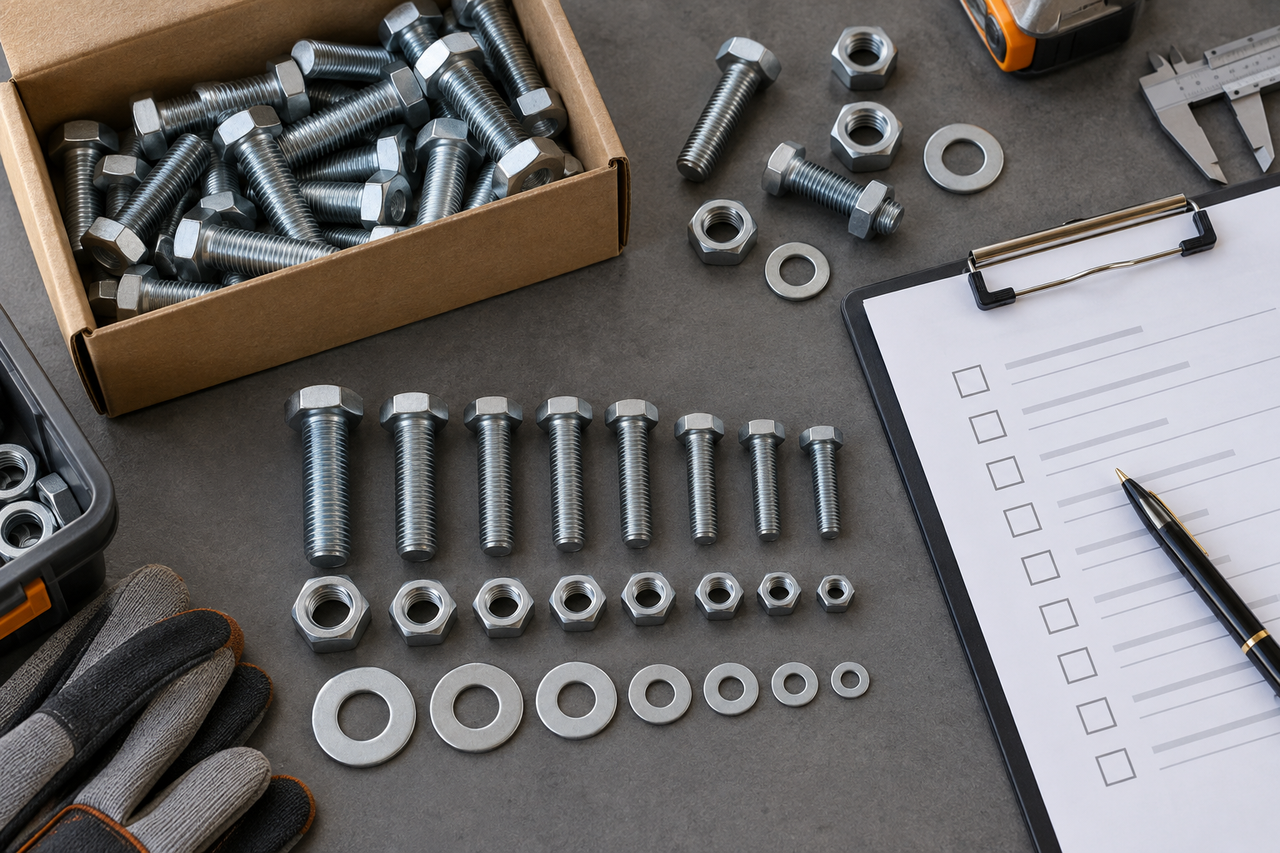
Inspection should consider the dimensions, thread fit, and performance characteristics relevant to the application. Where practical, sample parts should be evaluated with the actual mating components.
For bolted joints, tightening torque does not have a single fixed relationship with clamp load. Friction in the threads and beneath the rotating bearing surface affects the result.
Changes to coatings, lubrication, or mating surfaces may therefore require assembly verification. Purchasing and engineering teams should share relevant information so that connection problems are investigated with the full application in mind.
Match Inspection Requirements to Product Risk
Different fasteners do not necessarily need identical inspection plans.
A component used for a decorative attachment may have different verification needs from one used in a critical structural connection. The inspection plan should reflect the application and agreed requirements.
It should define what will be checked, how it will be checked, the sampling approach, and how nonconforming results will be handled.
Optical sorting can support inspection of suitable dimensions or visible features. It does not replace every material, mechanical, or corrosion test.
Special testing requirements should be discussed before the order is placed so that the supplier can plan the necessary resources.
Treat Packaging as Part of the Supply Specification
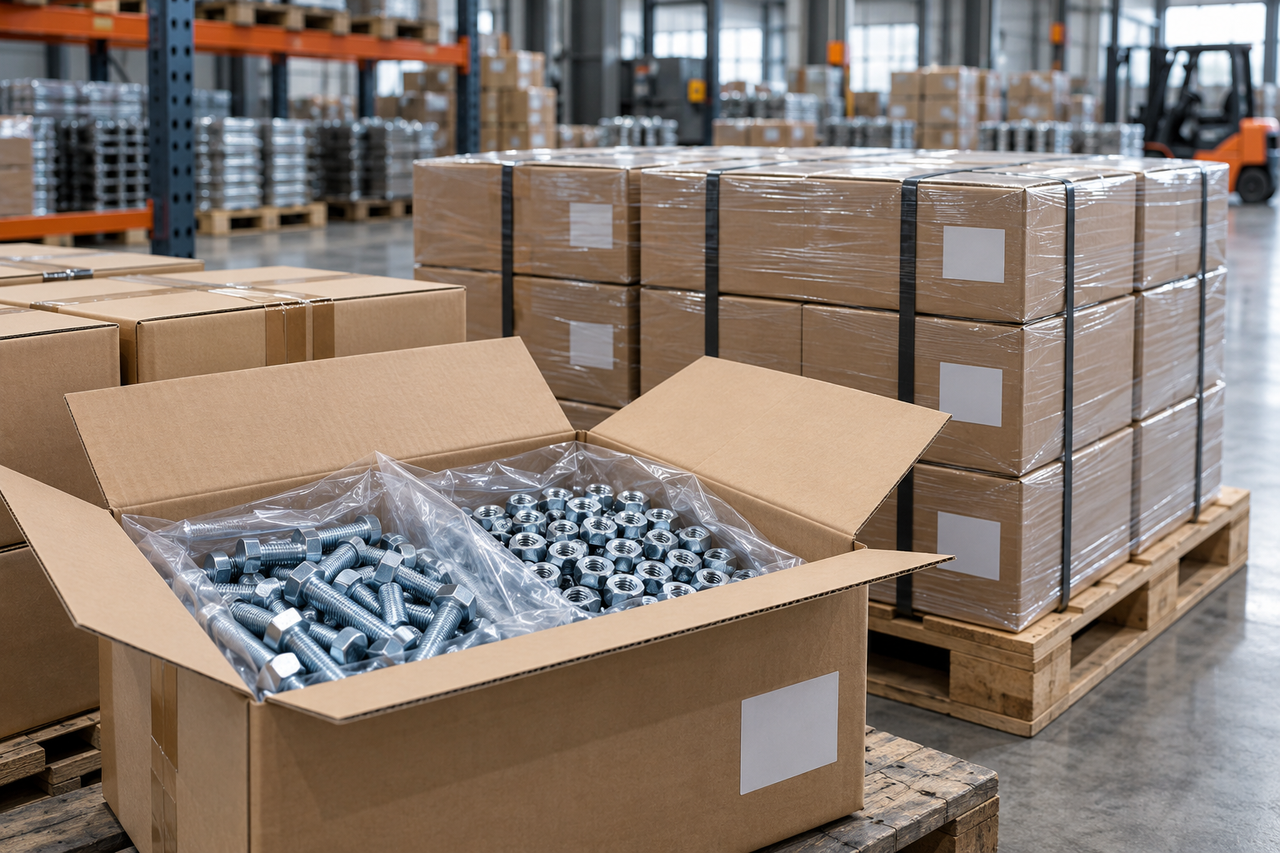
Bulk cartons, small bags, and assembly kits serve different receiving and production processes.
Incorrect quantities or unclear labels can increase warehouse checks and slow material distribution. Similar-looking parts need particularly clear identification.
Packaging instructions should define part numbers, quantities, separation requirements, and protection during transportation. Where relevant, labels should also connect the shipment to its batch information.
A packaging format that matches the customer’s workflow can reduce unnecessary handling after delivery.
Use Traceability to Support Problem Resolution
When an issue occurs, traceable batch information helps define the scope of the investigation.
Agreed records and retained samples, where required, can help the supplier and customer review the affected material more efficiently. Clear identification is especially useful when several similar products are purchased at the same time.
Traceability should be planned as part of the supply arrangement rather than added only after a problem appears.
Assess Long-Term Value
A lower unit price may be offset by additional sorting, repeated rework, or higher inventory requirements. Consistent products, clear communication, and dependable delivery can help reduce these less visible costs.
Dexin Metal has 25 years of export experience serving furniture and other industrial fastener applications. We emphasize clear requirements from quotation and sample approval through to packaging and shipment.
For buyers, accurate specifications and practical acceptance criteria provide a stronger basis for purchasing decisions—and for building a stable long-term supply relationship.
News recommendation

25 Years as IKEA Priority Supplier: Reliable EU-Standard Furniture Hardware Solutions
2026-08-26
Developing Custom Fasteners—from Drawing Review to Mass Production
2026-11-05
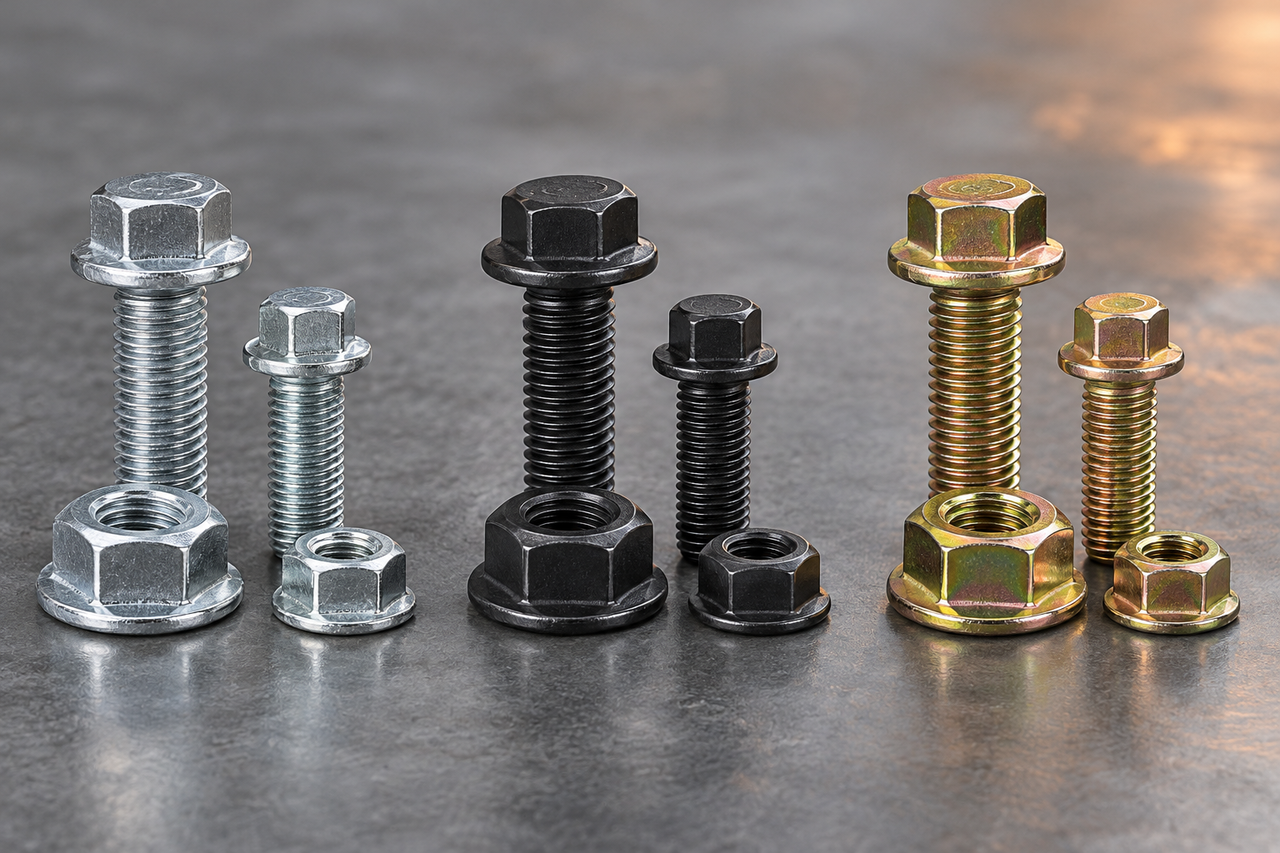
Choosing Fastener Surface Treatments—Beyond Color and Salt Spray Hours
2026-11-04
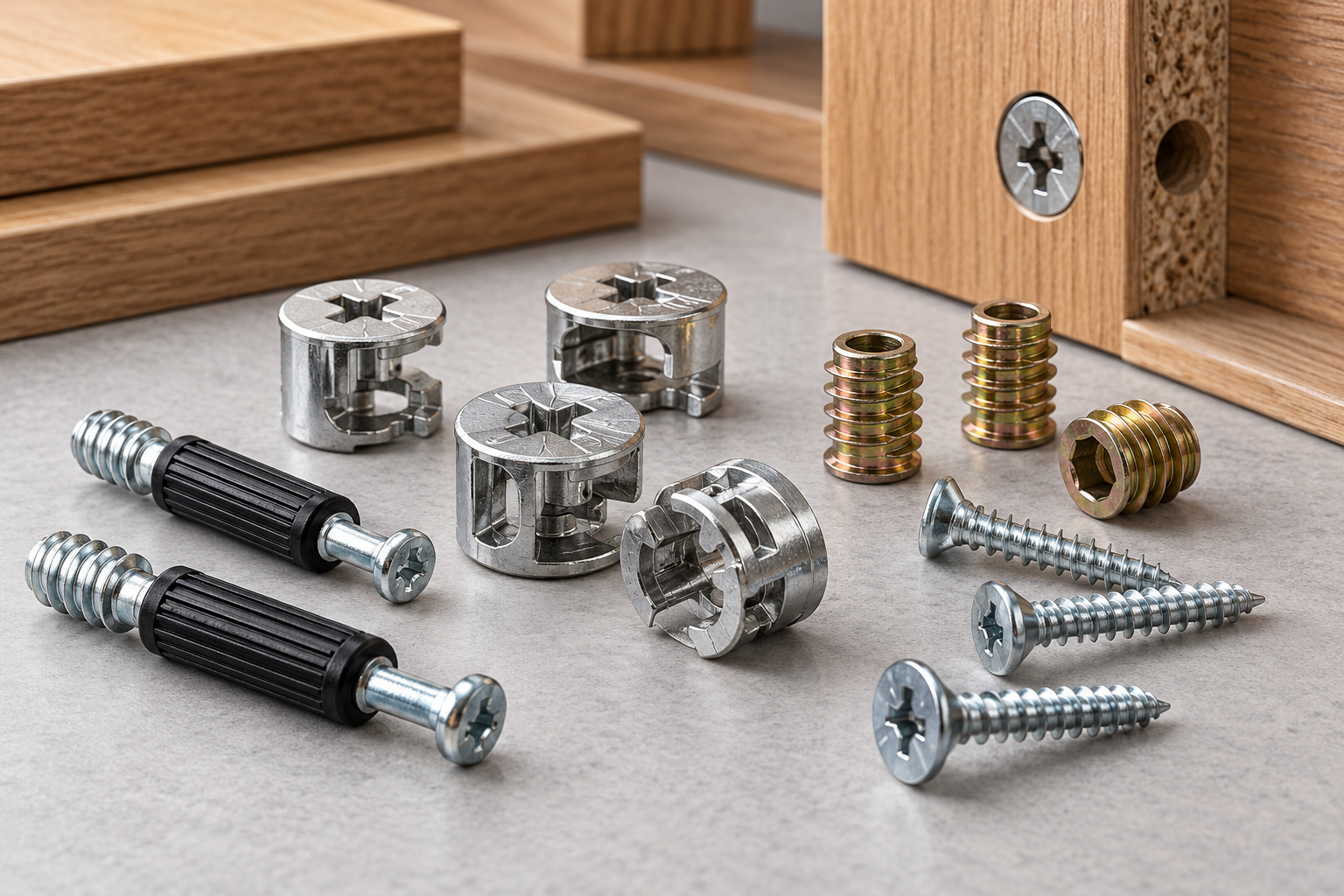
How Furniture Fasteners Influence Product Quality—from Joint Design to Assembly
2026-11-02
Fastener Sourcing After Phase 1 of the 140th Canton Fair: Quality, Customization and Supplier Capability
2026-10-30