

 CN
CN EN
EN
Screw Surface Treatment & Salt Spray Standard Guide|Dongguan Dexin Metal Co., Ltd.
Release time:2026.07.31
Source:Dexin Metal
Views:144
Surface treatment is essential for screws to prevent rust and extend service life. Different coatings offer different corrosion resistance. Below is a simplified guide of mainstream plating processes, salt spray resistance hours, and industry application standards for your reference.
Note: All salt spray data refers to neutral salt spray (NSS) test, no red rust within specified hours.
1.Main Surface Treatment Processes
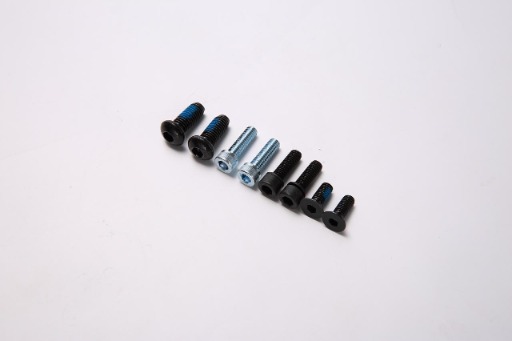
1)Zinc Plating (Blue / Color / Black Zinc)
The most cost-effective and widely used surface treatment. Forms a protective zinc layer to prevent oxidation with optional colors.
- Blue White Zinc: 48–72 hours salt spray resistance
- Color Zinc: 72–96 hours salt spray resistance
- Black Zinc: 96–120 hours salt spray resistance
Pros: Low cost, smooth surface, multiple color options.
Cons: Risk of hydrogen embrittlement, not suitable for high-strength bolts and harsh outdoor environments.
Application: Indoor furniture, home appliances, general electronic parts.
2)Zinc-Nickel Alloy Plating
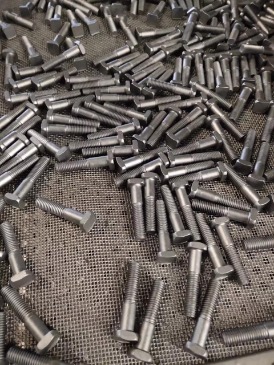
High-grade electroplating treatment with excellent anti-corrosion performance.
- Salt spray resistance: 480–1200 hours
Pros: Thin coating (no impact on thread fitting), low hydrogen embrittlement risk, available in black finish.
Cons: Higher cost.
Application: Automotive parts, outdoor precision hardware, new energy equipment.
3)Dacromet / Geomet Coating
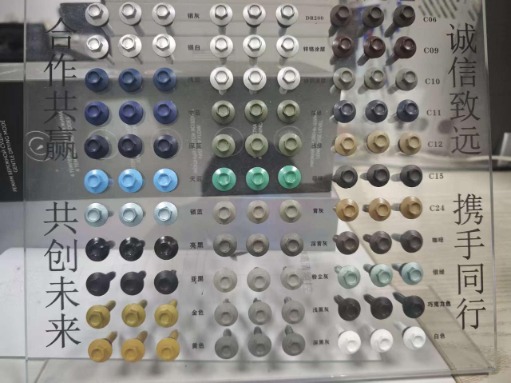
Inorganic zinc-aluminum high anti-corrosion coating, the best choice for high-strength fasteners.
- Dacromet: 500–1500 hours salt spray resistance
- Geomet (Chromium-free): 480–1000 hours salt spray resistance
Pros: No hydrogen embrittlement, high temperature resistance, excellent coverage for complex threads, super corrosion resistance. Cons: Single color, poor wear resistance. Application: Automotive chassis, photovoltaic, wind power, coastal outdoor equipment.
4)Nickel Plating
Focus on beautiful appearance and electrical conductivity.
- Salt spray resistance: 24–72 hours
Pros: Bright finish, good wear resistance and conductivity.
Cons: Ordinary nickel plating has limited anti-rust ability.
Application: Precision electronic accessories, decorative hardware parts.
2.Industry Salt Spray Standard Requirements
1)Furniture Industry
- Indoor dry furniture: 48–72h (Blue/Color Zinc)
- Kitchen & damp indoor furniture: 72–96h (Color/Black Zinc)
- Outdoor garden furniture: ≥120h (Zinc-nickel / Dacromet)
2)Automotive Industry
- Interior parts (seat, door panel): 48–72h
- Exterior & chassis parts: ≥720h (Zinc-nickel / Dacromet / Geomet)
3)Electronic & Appliance Industry
- Indoor & closed equipment: 48–72h
- Outdoor electrical & charging equipment: ≥168h
4)Outdoor & New Energy Industry
Street lamps, fitness equipment, photovoltaic and wind power parts: ≥240h, prefer zinc-nickel alloy or Dacromet coating.
3.Quick Selection Tips
- Indoor & cost-sensitive projects: Choose conventional zinc plating.
- High-strength bolts (8.8/10.9/12.9 grade): Prefer Dacromet or zinc-nickel plating to avoid hydrogen embrittlement fracture.
- Outdoor & coastal environment: Avoid ordinary zinc plating, select high-corrosion-resistance coatings.
- Match the coating grade with actual usage scenario to save cost.
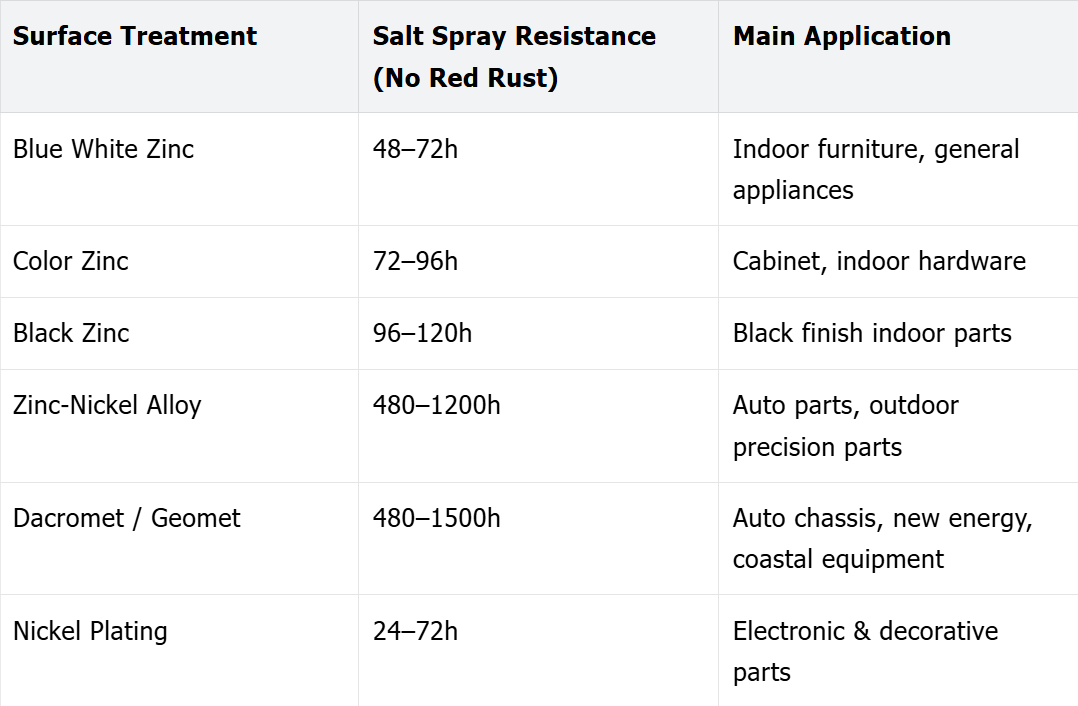
4.Simplified Comparison Table
News recommendation

25 Years as IKEA Priority Supplier: Reliable EU-Standard Furniture Hardware Solutions
2026-08-26
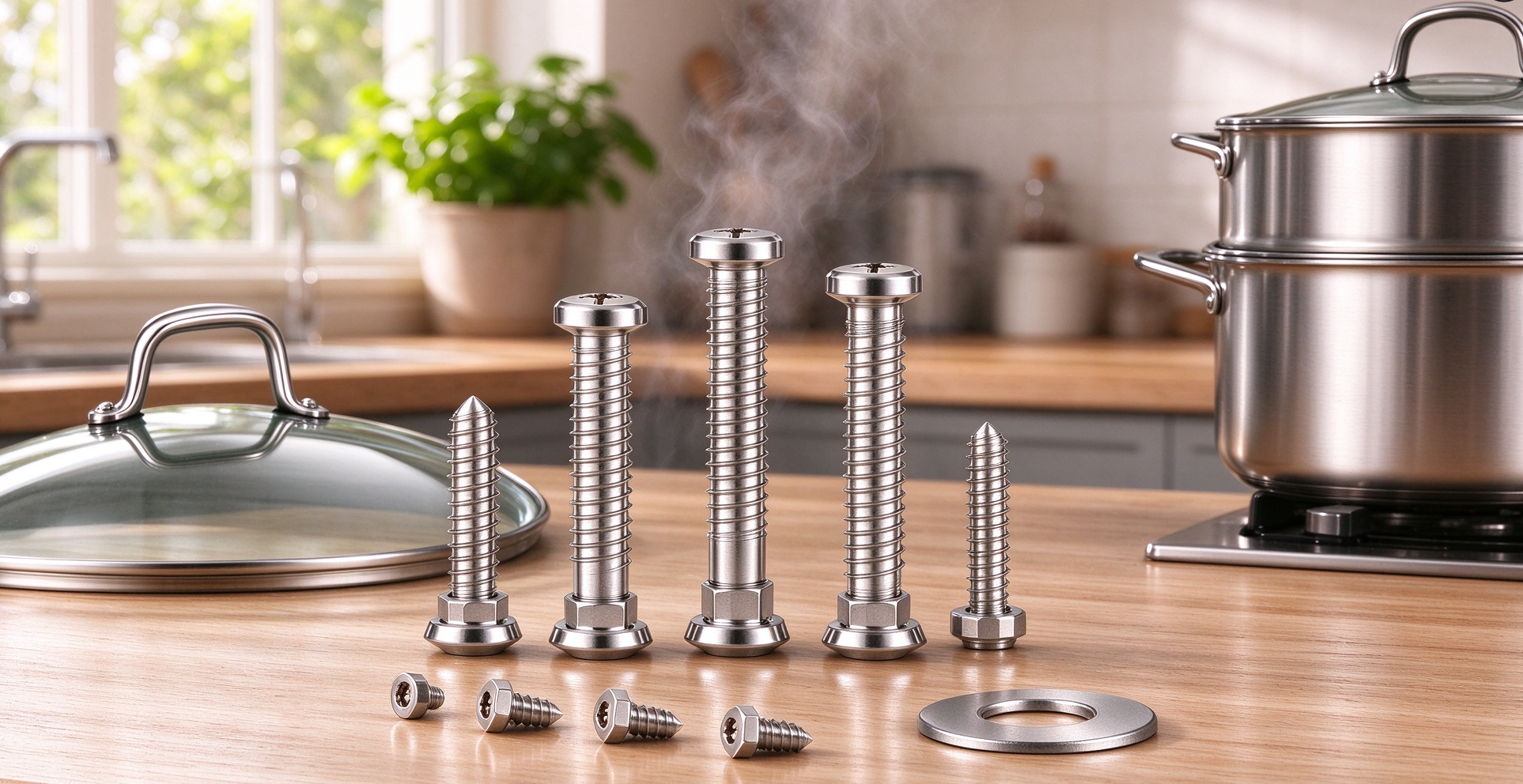
Kitchenware Fasteners Explained: Function & Selection Guide for Pot Lid Screws
2026-10-08
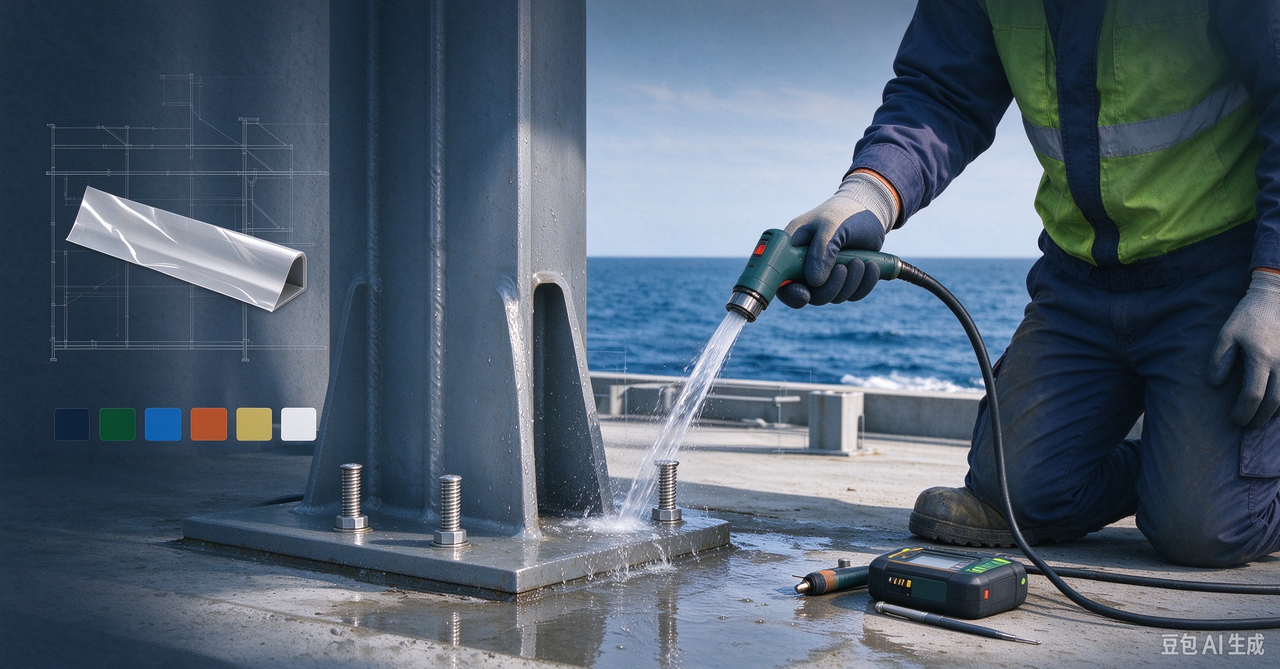
Outdoor Screw Selection: Anti-Corrosion Performance & Service Life
2026-10-06
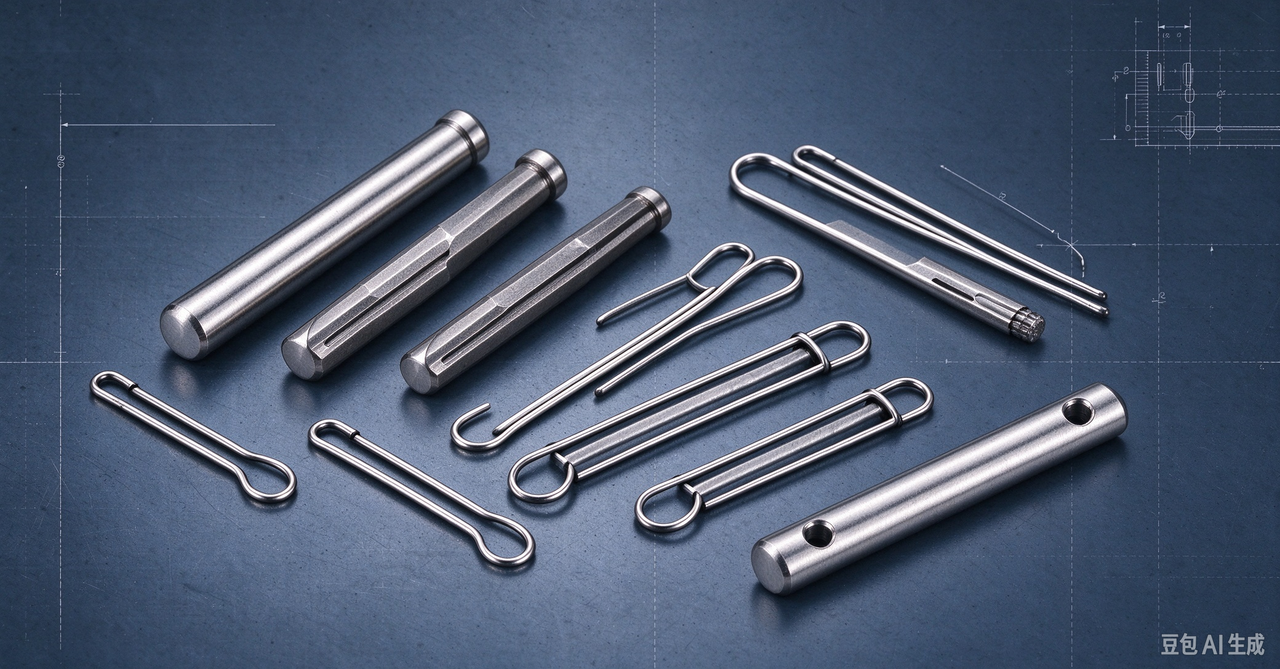
What are common pins? Introduction to pin types.
2026-09-30

Stainless Steel Fasteners: Critical EV Connection Solution
2026-09-28