

 CN
CN EN
EN
When Standard Fasteners Fail: Why Custom Non-Standard Fasteners Solve Complex Engineering Problems
Release time:2026.09.10
Source:Dexin Metal
Views:76
Tailored Fastener Solutions That Fit Unique Design, Space and Performance Requirements
1. The Limitations of Ordinary Standard Fasteners
Standard fasteners follow unified metric, UNC and UNF industrial specifications, which are designed for universal and general assembly scenarios. They perform well in conventional furniture, ordinary machinery and common structural installation. Nevertheless, with the continuous upgrading of industrial design, many new products pursue miniaturization, integration and personalized structure. Standard fasteners gradually become restrictive factors in product design.
In many cases, engineers have to compromise their design solutions simply because no standard fastener matches. Using oversized standard parts causes space interference, while undersized ones cannot meet tensile and vibration resistance requirements. In addition, special working conditions such as high temperature, high humidity, strong corrosion and long-term vibration cannot be fully adapted by ordinary standard fasteners, resulting in loose connection, fastener aging and short service life.
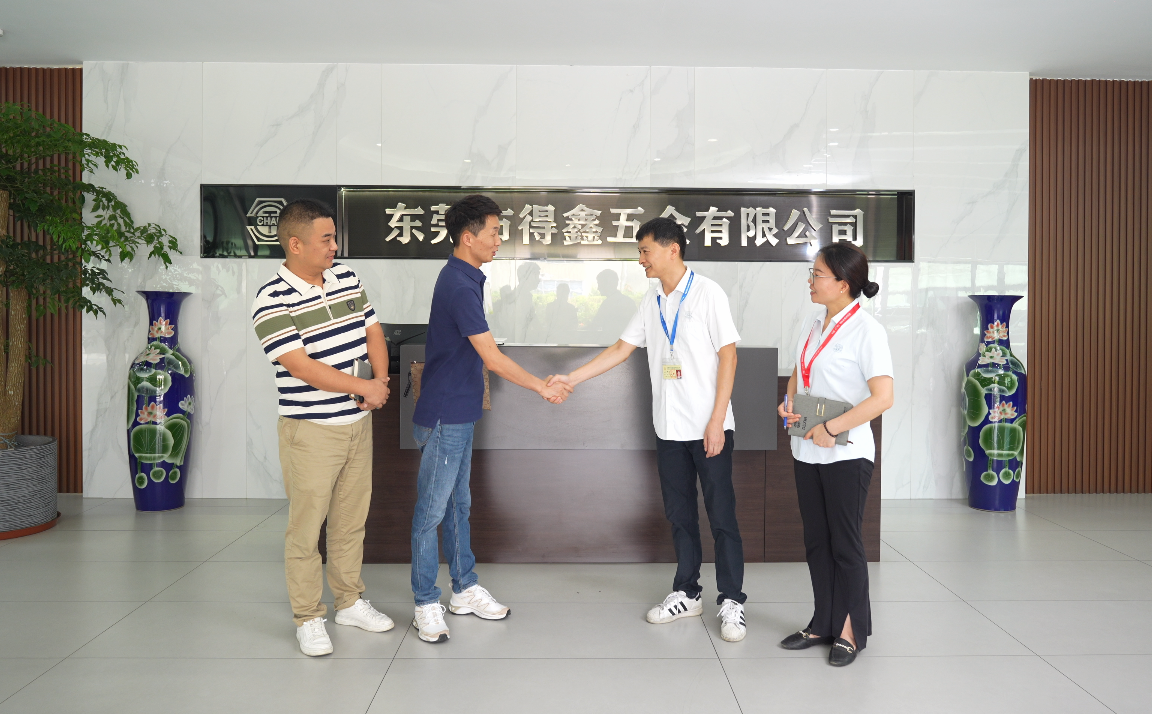
2. Typical Scenarios That Require Non-Standard Customization
Custom non-standard fasteners are not unnecessary upgrades, but essential supporting parts for many professional manufacturing projects. The first typical scenario is limited and irregular installation space. Precision home appliances, automotive interior parts and mini mechanical equipment often have narrow assembly positions, requiring special head shapes, reduced outer diameters or customized screw lengths that standard specifications cannot provide.
The second scenario is special performance requirements. Some equipment needs anti-loosening structures, anti-corrosion materials, high-temperature resistance or special surface treatments to adapt to extreme working environments. Custom fasteners can adjust material composition, thread pitch, tooth shape and structural design according to actual demands to achieve targeted performance improvement.
The third scenario is personalized assembly optimization. Many manufacturers need integrated fastener structures to reduce assembly steps, save installation time and simplify production processes. Custom one-piece composite fasteners effectively replace multiple standard parts, improving overall production efficiency.
3. Core Value of Dexin Metal Custom Fastener Solutions
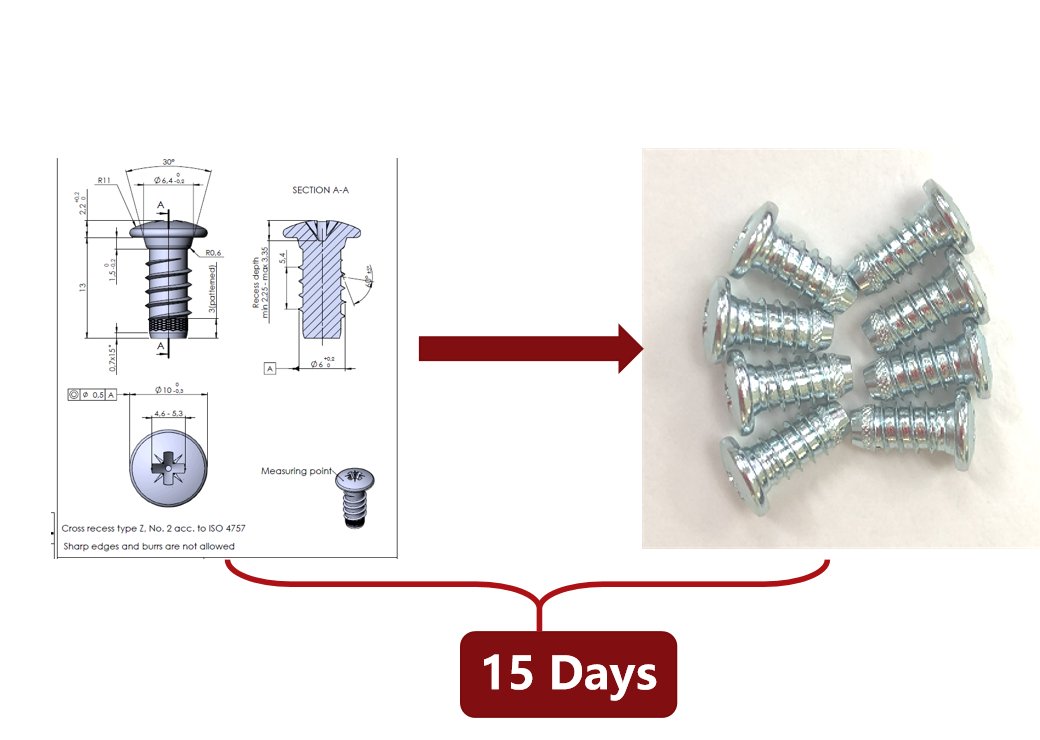
Many buyers worry that non-standard customization means high costs and long lead times. As an experienced fastener manufacturer, Dexin Metal optimizes the whole customization process to lower the threshold of non-standard projects. We support customization based on customer drawings, sample copying and even simple design concepts. Our professional engineering team evaluates structural rationality, manufacturability and cost optimization for each project to avoid design defects and mass production risks.
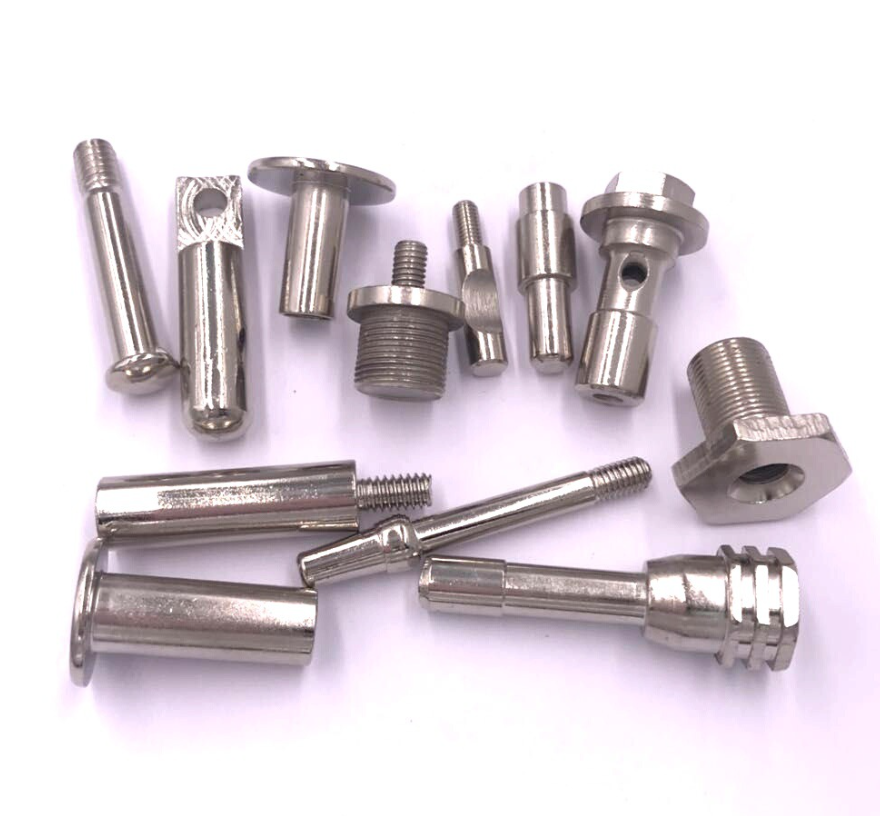
We provide full-process services including mold opening, rapid prototyping sampling, small-batch trial production and large-scale mass production. Whether it is special-shaped screws, asymmetric bolts, customized pins, special clamps or composite structural fasteners, we can complete precise production with stable tolerance and consistent batch quality.
Different from generic standard parts, our customized fasteners perfectly fit customer product structures, effectively improving assembly accuracy, enhancing structural stability and reducing after-sales failure rates. For brand manufacturers pursuing differentiated product quality, custom fasteners become an invisible competitive advantage.
4. Strict Quality Control for Customized Projects
Custom fastener quality control is more rigorous than standard production. Each customized product has exclusive technical standards and performance requirements. Dexin Metal establishes independent production files for every non-standard order, recording mold parameters, production processes, heat treatment standards and surface treatment specifications.
Before delivery, all custom fasteners undergo dimensional inspection, mechanical performance testing and appearance screening to ensure they fully match customer design expectations. Complete test reports and quality records are provided to support customer project inspection and long-term batch cooperation.
News recommendation

25 Years as IKEA Priority Supplier: Reliable EU-Standard Furniture Hardware Solutions
2026-08-26
Kitchenware Fasteners Explained: Function & Selection Guide for Pot Lid Screws
2026-10-08
Outdoor Screw Selection: Anti-Corrosion Performance & Service Life
2026-10-06
What are common pins? Introduction to pin types.
2026-09-30
Stainless Steel Fasteners: Critical EV Connection Solution
2026-09-28