

 CN
CN EN
EN
Carbon Steel Fastener Wire Rod: Grades, Properties and Selection Guide
Release time:2026.09.14
Source:Dexin Metal
Views:104
How Raw Wire Rod Quality Determines Fastener Strength, Durability and Batch Stability
Basic Classification of Carbon Steel Wire Rod for Fasteners
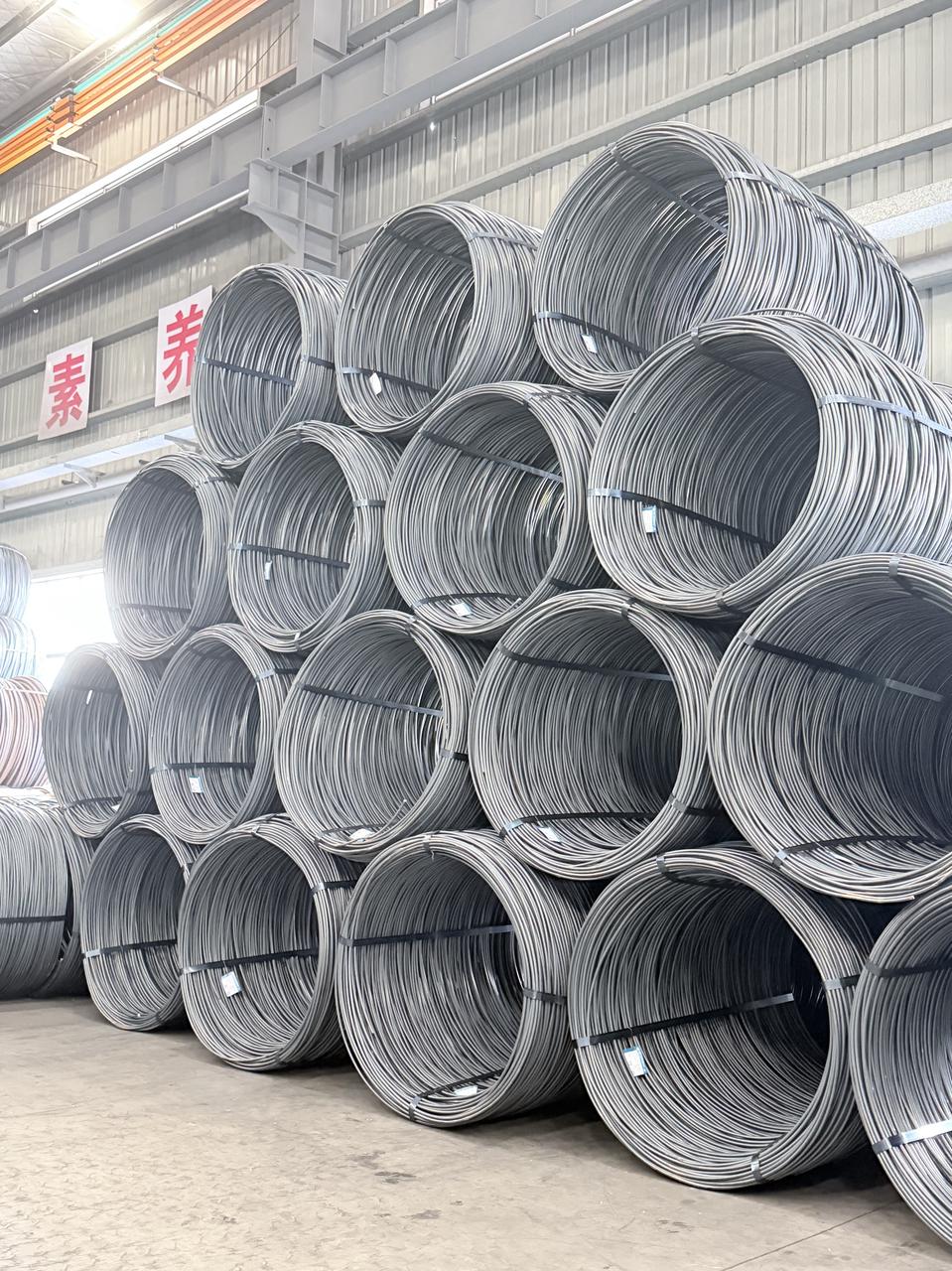
Carbon steel wire rods for fastener production are mainly divided into low-carbon and medium-carbon grades, each with unique carbon content, ductility and strength characteristics, matching different fastener strength grades and usage scenarios. Low-carbon wire rods including SAE 1008, SAE 1010 and Q195 feature low carbon content, excellent ductility and soft texture. They are easy for cold heading, thread rolling and bending forming, hardly cracking during high-speed stamping and mass production. These materials are widely used for 4.8-grade ordinary screws, furniture fasteners, thin-plate connectors and daily assembly hardware that requires good forming performance rather than ultra-high strength.
Medium-carbon wire rods such as SAE 1018, SAE 1022 and Q235 have higher carbon and manganese components, delivering balanced tensile strength and toughness. After professional heat treatment, they can stably reach 8.8-grade or higher mechanical standards. This type of wire rod is suitable for load-bearing bolts, structural fasteners and mechanical assembly parts that require anti-vibration, anti-fatigue and high tensile performance. Clear grade classification enables precise material matching and avoids performance surplus or insufficient strength in actual applications.
Key Mechanical Properties That Affect Fastener Quality
The core advantages of qualified fastener-grade wire rod lie in stable mechanical indicators, including tensile strength, yield strength and elongation. Low-carbon wire rods usually maintain tensile strength between 310MPa to 450MPa, with outstanding elongation that adapts to complex cold forming processes without cracking. Medium-carbon wire rods can reach tensile strength of 550MPa to 700MPa, providing solid structural support for heavy-load connection scenarios.
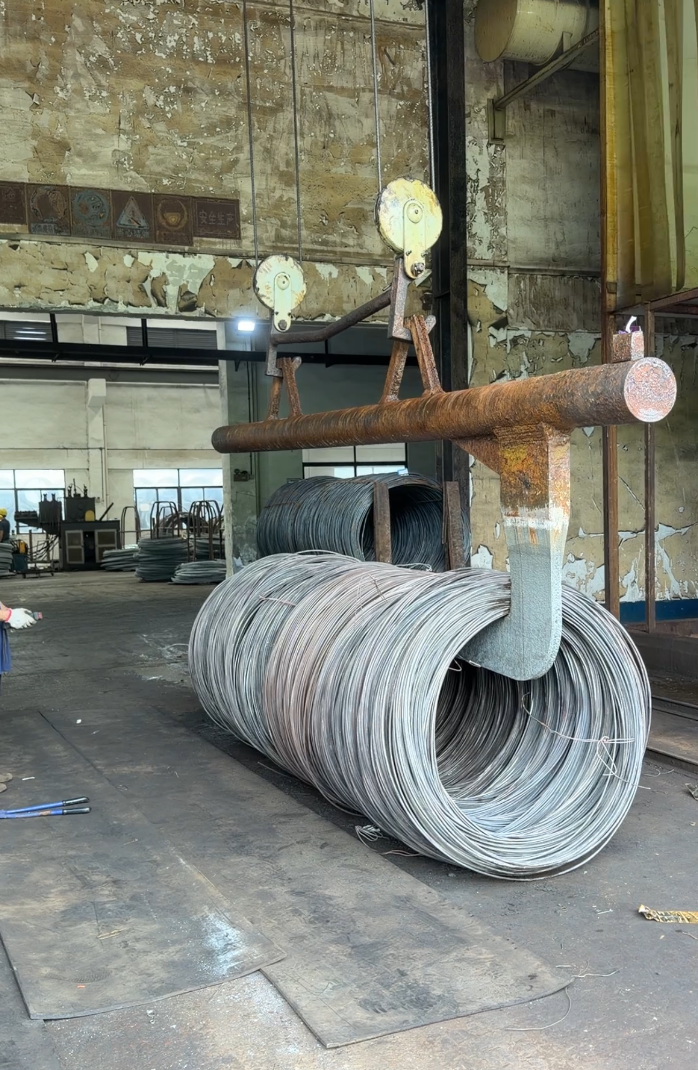
Beyond basic strength data, internal material uniformity is more critical. Impurity concentration, uneven carbon distribution and surface defects of wire rods will lead to batch fluctuations in finished fasteners. Unstable raw materials may cause individual products to crack during installation, loose threads after long-term vibration, or inconsistent hardness after heat treatment. Dexin Metal implements strict incoming inspection for every wire rod batch, verifying chemical composition, mechanical parameters and surface quality to eliminate hidden dangers at the source.
Wire Rod Selection for Different Fastener Applications
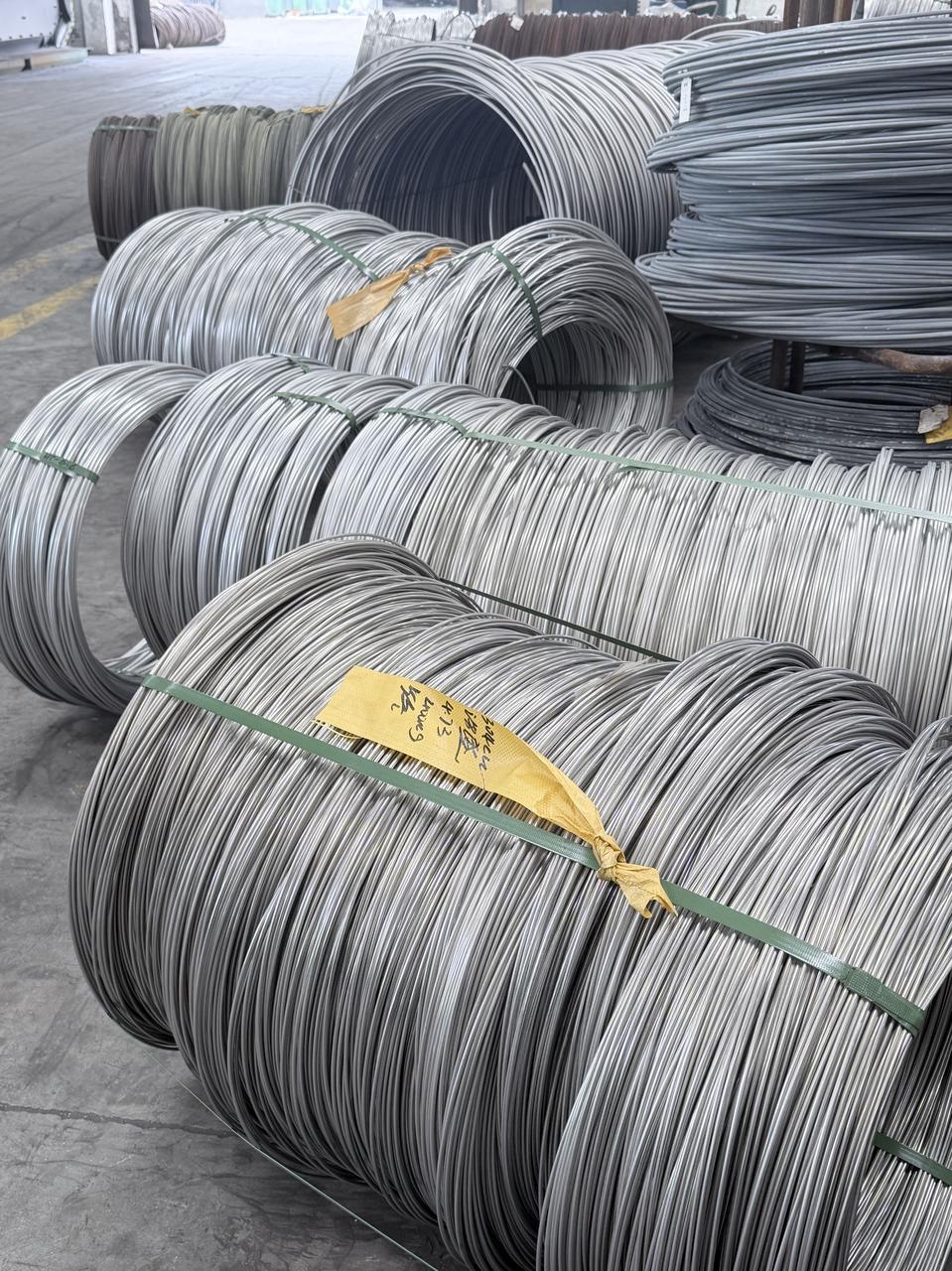
Scientific material selection is the premise of targeted fastener performance. For civilian furniture, electronic equipment and light-load assembly scenarios, low-carbon wire rods are the most cost-effective choice. They ensure smooth cold forming, clean thread surface and stable batch consistency, fully meeting daily assembly and DIY installation requirements. For outdoor furniture, mechanical equipment and structural connection parts bearing long-term load and vibration, medium-carbon wire rods with heat treatment enhancement are adopted to improve hardness, torsion resistance and anti-fatigue performance.
For customized non-standard fasteners with special structural designs, we also adjust wire rod grades according to product shape and stress characteristics. Complex special-shaped fasteners require high-ductility low-carbon materials to ensure smooth forming, while thickened heavy-duty custom bolts prefer high-strength medium-carbon wire rods to guarantee structural safety. Accurate material matching effectively balances product quality, service life and production cost.
Dexin Metal’s Strict Wire Rod Quality Control System
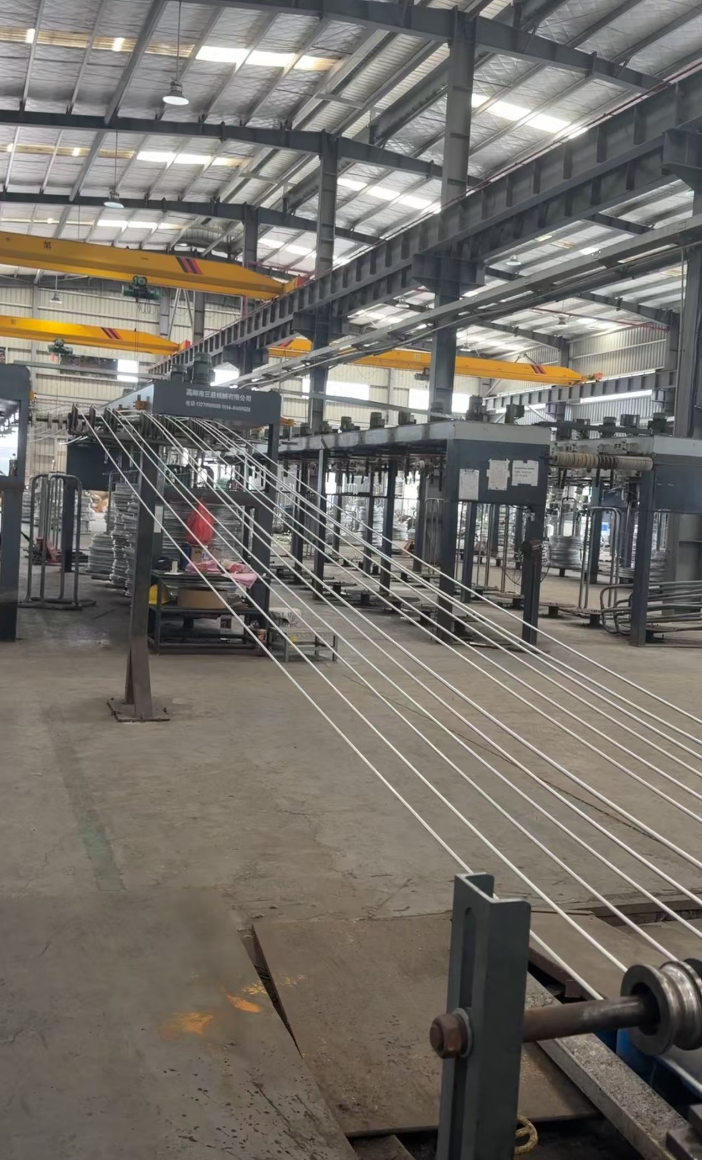
Stable fastener quality originates from standardized raw material management. Dexin Metal establishes a complete wire rod screening and inspection mechanism. We cooperate with qualified regular steel mills to ensure stable raw material sources and avoid mixed grades and unstable batches. All incoming wire rods undergo sampling tests including hardness detection, tensile testing and component analysis.
In production, we classify and store different grades of wire rods independently to prevent material mixing. Combined with our full-process production monitoring and finished product performance testing, the whole quality system forms closed-loop control from raw material incoming to finished product delivery. Whether for mass-produced standard fasteners or customized non-standard hardware, we maintain consistent raw material standards to ensure every product delivers reliable connection performance.
News recommendation
25 Years as IKEA Priority Supplier: Reliable EU-Standard Furniture Hardware Solutions
2026-08-26
Kitchenware Fasteners Explained: Function & Selection Guide for Pot Lid Screws
2026-10-08
Outdoor Screw Selection: Anti-Corrosion Performance & Service Life
2026-10-06
What are common pins? Introduction to pin types.
2026-09-30
Stainless Steel Fasteners: Critical EV Connection Solution
2026-09-28