

 CN
CN EN
EN
Screw Washer Guide: Types, Functions and Industrial Application Principles
Release time:2026.09.16
Source:Dexin Metal
Views:75
Why Washers Are Indispensable for Stable, Durable and Anti-Loosening Screw Assembly
Common Types of Screw Washers and Core Features
Screw washers are classified into multiple types according to structural design and functional positioning. Each category has exclusive application advantages and scenario limitations. The most widely used types in industrial and furniture assembly include flat washers and spring lock washers, which undertake pressure dispersion and anti-loosening tasks respectively.
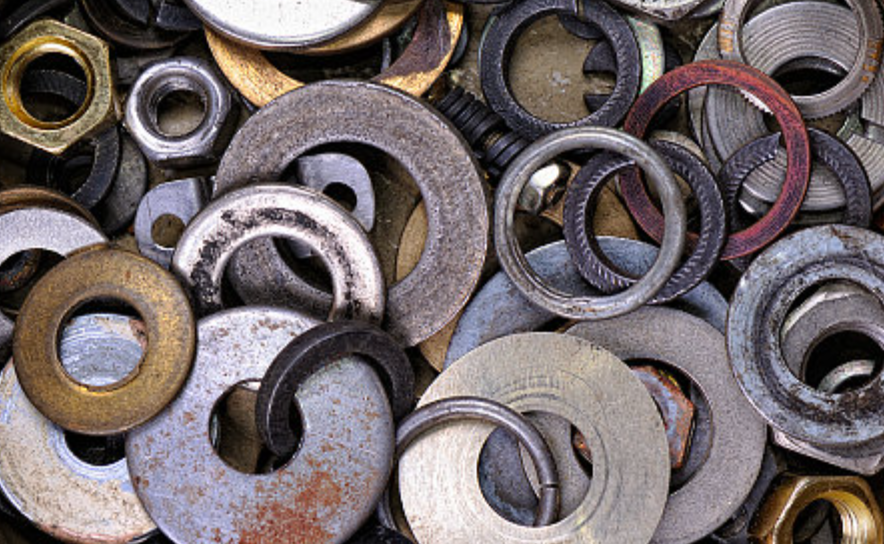
Flat washers, also known as plain washers, are the most basic and universal type. With a simple flat circular structure, they are mainly used to expand the contact area between the screw head and the assembly surface. In soft materials such as wood boards, plastic shells and thin metal plates, directly tightening screws will easily cause local pressure concentration, resulting in surface indentation, board cracking or hole deformation. Flat washers perfectly solve this problem by evenly dispersing pressure, protecting the product surface and filling uneven assembly gaps. They are suitable for almost all static assembly scenarios including furniture installation, electrical equipment and daily hardware connection.
Spring lock washers are designed for anti-loosening requirements. Different from flat washers, they have elastic open structures that can continuously provide elastic tension after screw tightening. In equipment affected by long-term vibration, mechanical operation or dynamic load, ordinary screws are prone to gradual loosening. Spring washers effectively offset vibration friction, maintain screw preload and prevent thread loosening, which greatly improves connection stability of mechanical equipment and outdoor structural parts.
Key Functions of Standard Washer Matching
Many assembly quality problems are caused by ignoring washer matching specifications. Scientific washer application mainly includes three core functions: surface protection, pressure balance and assembly optimization. First, washers avoid direct friction and extrusion between the screw head and the workpiece, preventing paint peeling, material damage and surface scratches, which is particularly critical for high appearance requirement furniture and electronic products.
Second, standardized washers correct assembly deviations. During production and processing, workpiece holes inevitably have tiny tolerance errors. Reasonable washer padding can compensate for gap deviations, making the screw fitting tighter and more uniform. Third, matched washers can improve the stress structure of the connection position, avoid local stress concentration, and enhance the overall compression resistance and fatigue resistance of the assembly structure.
Scientific Selection Rules for Different Application Scenarios
Reasonable washer selection must be based on actual working conditions. For static assembly with no vibration, such as household furniture, fixed electrical appliances and indoor decoration, flat washers are sufficient to meet daily protection and pressure dispersion needs. For mechanical equipment, automobile parts, outdoor facilities and vibrating operating environments, spring washers or combined flat and spring washer structures are required to ensure long-term anti-loosening performance.
In addition to functional classification, material matching is also crucial. Carbon steel washers feature high cost performance and stable hardness, suitable for most conventional industrial assembly. Surface treatments such as zinc plating and nickel plating can further improve anti-rust and anti-corrosion performance, adapting to humid indoor and outdoor environments. For high-precision and corrosion-resistant equipment, we also support customized washer specifications and special surface treatments to meet higher industrial standards.
Dexin Metal’s Standardized Washer Production & Quality Control
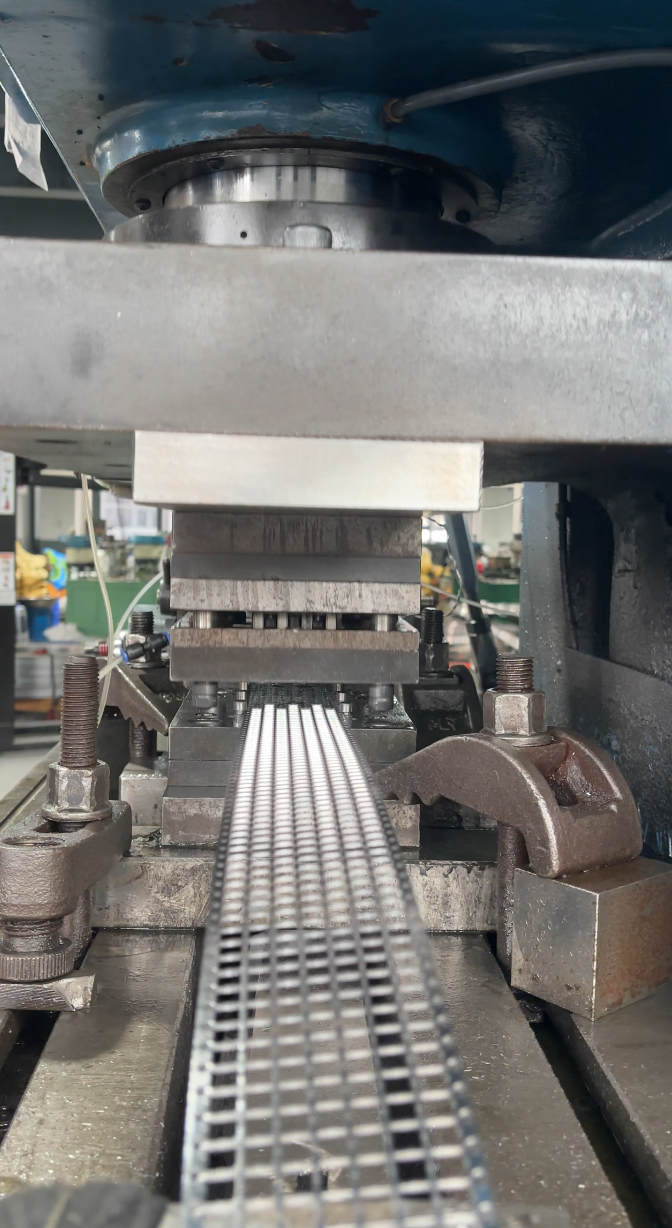
As a supporting accessory for fastener systems, washer flatness, thickness tolerance and surface finish directly affect the final assembly effect. Dexin Metal implements strict standardized production for all washer products. From raw material steel plate screening, stamping forming, trimming to surface plating treatment, every process maintains unified tolerance standards.
We strictly control flatness deviation to avoid warped and deformed washers that cause uneven stress. The surface is smooth and burr-free to prevent scratching the workpiece surface during installation. All finished washers undergo dimensional inspection, appearance screening and anti-rust performance testing to ensure full compatibility with matched screws. Whether supporting standard screw orders or customized non-standard fastener kits, we provide consistent batch quality and precise matching performance.
News recommendation

25 Years as IKEA Priority Supplier: Reliable EU-Standard Furniture Hardware Solutions
2026-08-26
Kitchenware Fasteners Explained: Function & Selection Guide for Pot Lid Screws
2026-10-08
Outdoor Screw Selection: Anti-Corrosion Performance & Service Life
2026-10-06
What are common pins? Introduction to pin types.
2026-09-30
Stainless Steel Fasteners: Critical EV Connection Solution
2026-09-28