

 CN
CN EN
EN
The Evolution of Fasteners in the Robotics Industry
Release time:2026.09.23
Source:Dexin Metal
Views:65
High-Performance, Precision and Intelligent Fastener Applications for Modern Robotic Equipment
With the rapid development of intelligent manufacturing and robotic technology, fasteners have become core basic components that determine robot stability, operational accuracy and service life. As robotic equipment moves toward precision, intelligence and modularization, ordinary standard fasteners can no longer meet industrial demands. Modern robots require customized, high-performance fastener solutions to adapt to complex motion, dynamic loads and extreme working environments.

1. Basic Structural Value of Robot Fasteners
A robot is composed of frames, power systems, joints, sensors and control modules. Fasteners act as the key connecting medium to fix components, bear dynamic loads and transmit torque steadily. Unlike general mechanical equipment, robots frequently perform flexible movements, rotations and repeated positioning, which places higher requirements on fastener accuracy and stability.
Especially in robot joint structures, fasteners must resist long-term fatigue, friction and vibration. Even tiny tolerance errors may cause positioning deviation, mechanical jitter or sensor failure. Therefore, precision fasteners are the fundamental guarantee for stable and high-precision robot operation.
2. Growing Demand for High-Performance Fasteners
Industrial 4.0 and smart manufacturing have accelerated the upgrading of robotic equipment, resulting in stricter standards for fastener material performance. Robots used in industrial automation, deep-sea exploration, aerospace and high-temperature workshops face complex working conditions such as high vibration, corrosion, high temperature and heavy loads.
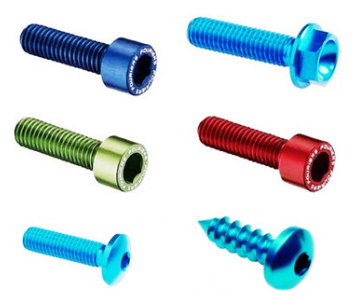
Traditional ordinary fasteners are prone to loosening, rusting and fatigue damage. Modern robot fasteners focus on high tensile strength, anti-corrosion alloy materials and stable surface treatment. Optimized material formulas and plating processes enable fasteners to maintain long-term stability in harsh environments, greatly improving robot safety and durability.
3. Modular Design Brings Innovative Fastener Applications
Modularization is a major development trend in the robotics industry. Robots are gradually adopting standardized combined modules to realize flexible assembly, quick replacement and convenient maintenance. In this trend, fasteners are evolving from simple fixed parts to modular connecting components.
Modular fasteners support rapid disassembly and recombination, helping enterprises reduce maintenance time and upgrade equipment efficiently. In addition, intelligent fastener technology has become a new direction. Sensor-embedded fasteners can monitor tightening force, temperature and loose status in real time, providing early fault warnings and avoiding unexpected robot shutdowns. Self-repairing and adaptive fastener structures will further promote the intelligent iteration of robotic equipment.
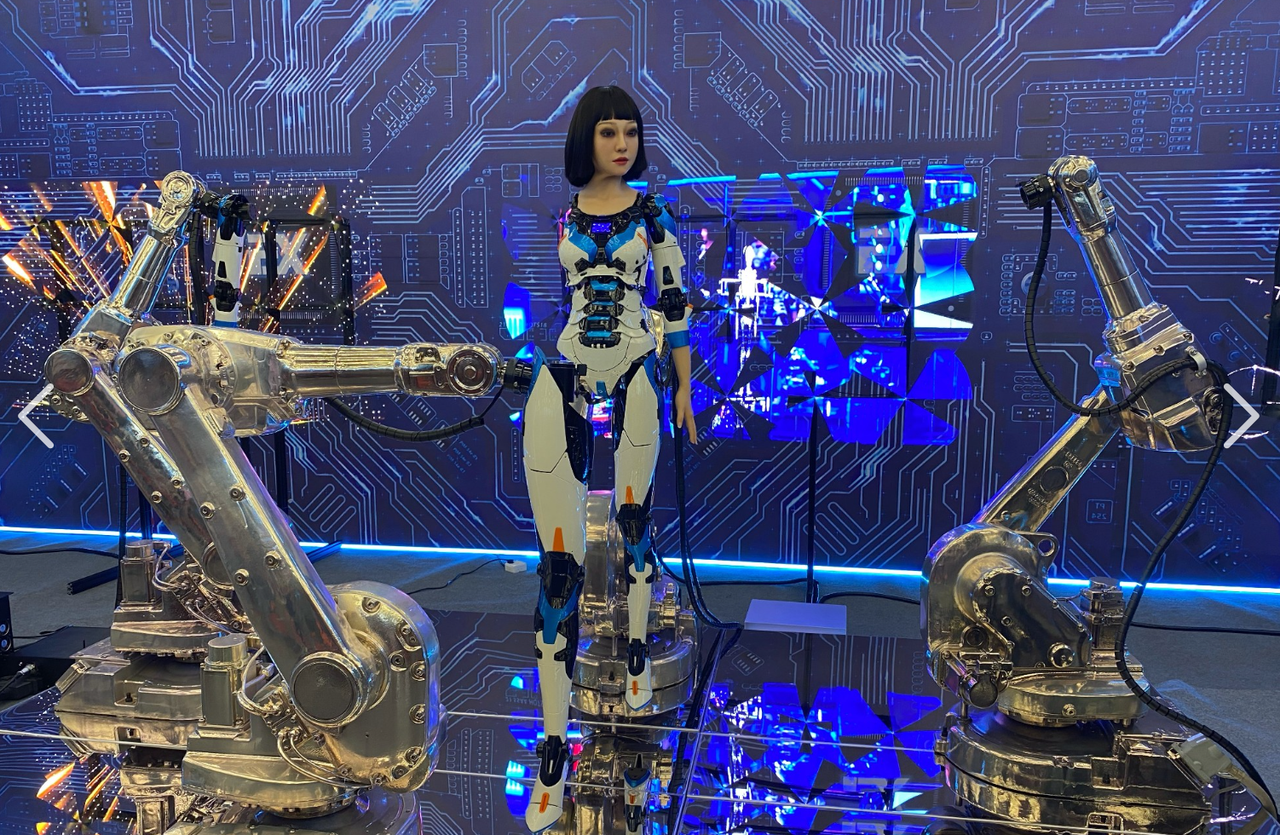
4. Industrial Chain Prospects of Robot Fasteners
With the rapid expansion of service robots, medical robots, automated manufacturing robots and intelligent vehicle equipment, the market demand for high-end precision fasteners continues to rise. High-end robotic equipment has extremely strict requirements on fastener tolerance, consistency and environmental adaptability, forming a higher technical threshold for fastener manufacturers.
As an indispensable basic link in the robot industrial chain, fastener manufacturing is developing toward precision customization, batch stability and cost optimization. Professional fastener factories cooperate deeply with robot brands to continuously optimize structural design, material matching and surface technology, promoting the overall upgrading of the intelligent equipment industry.
News recommendation

25 Years as IKEA Priority Supplier: Reliable EU-Standard Furniture Hardware Solutions
2026-08-26
Self-Drilling Screws: Application Fields & Usage Precautions
2026-10-21
Custom Special-Shaped & High-Precision Standard Fasteners: On-Site Manufacturing Capability Verification Guide
2026-10-14
2027 Fastener Export Target‑Market Trend Analysis: Europe‑America, Southeast Asia, Middle East
2026-10-12
Kitchenware Fasteners Explained: Function & Selection Guide for Pot Lid Screws
2026-10-08