

 CN
CN EN
EN
Stainless Steel Fasteners: Critical EV Connection Solution
Release time:2026.09.28
Source:Dexin Metal
Views:9
Lightweight & High-Reliability Stainless Steel Fasteners for EV Battery and Chassis Connections
Industry Background
The global automotive industry is accelerating its shift toward electrification. Vehicle design is evolving from simple component assembly to integrated structural systems. Lightweighting, safety and reliability have become core design priorities for new energy vehicles. Fasteners are gaining renewed importance, especially stainless steel fasteners, whose application value in new energy vehicles and power battery structures continues to rise.
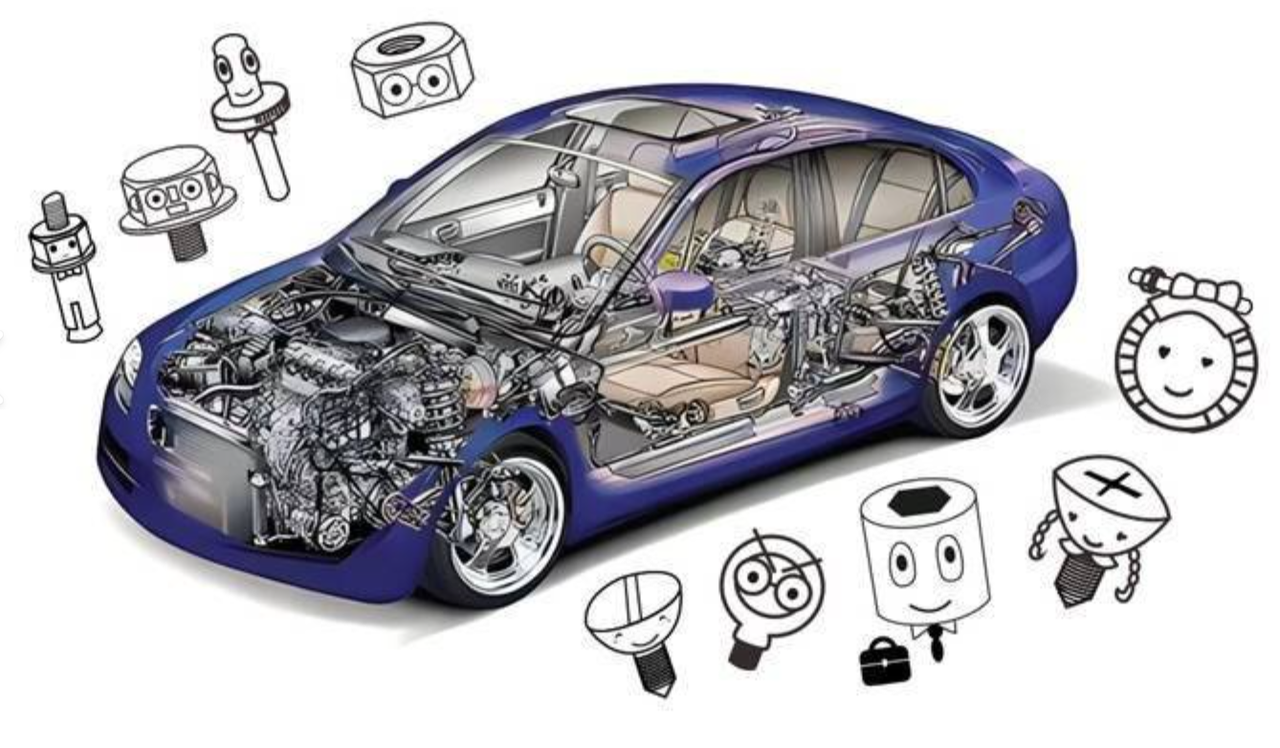
Special requirements for fastening systems in NEVs
New energy vehicles impose far stricter requirements on fastening systems than traditional fuel vehicles. With the popularization of CTP and CTC integration solutions, battery packs have become load-bearing parts of the whole vehicle. Connection points are exposed to harsh operating environments: high-frequency vibration, repeated thermal cycling, coolant, salt spray and electrochemical corrosion. Compared with fuel vehicles, critical structural positions of new energy vehicles require more than 20% improvement in fastener fatigue life, corrosion resistance and connection stability.
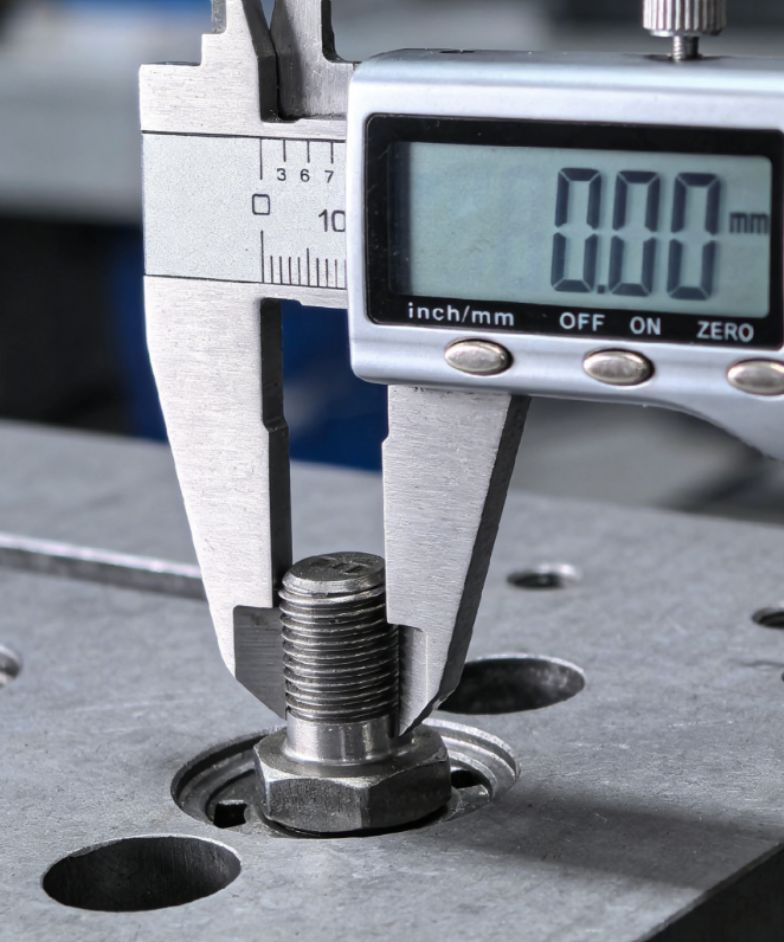
How lightweighting affects fastener selection
Lightweighting is not merely weight reduction. It aims to lower mass per unit strength while maintaining higher safety margins, achieved by material upgrades and structural optimization. High-strength austenitic stainless steel, modified stainless steel and duplex stainless steel allow fasteners to shrink in size while meeting or exceeding structural load requirements, realizing "invisible weight reduction" for the whole vehicle. The application ratio of high-performance stainless steel fasteners in EV chassis, battery frames and body connection areas keeps growing year by year.
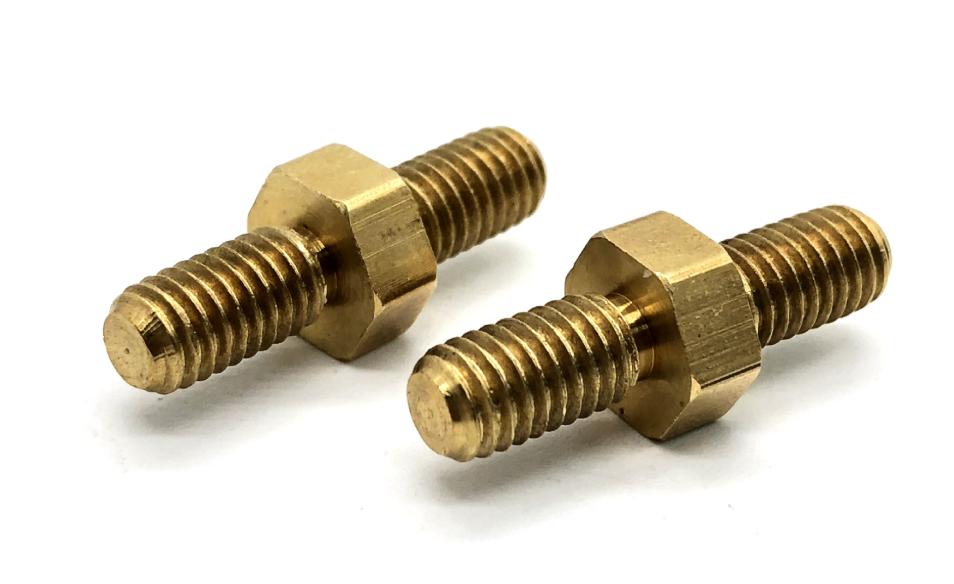
Corrosion resistance & stability advantages of stainless steel
Power batteries work under fluctuating temperatures, electrolyte volatilization and hot-humid conditions. Ordinary carbon steel fasteners are prone to corrosion and galvanic corrosion failure. Stainless steel features stable chemical properties and outstanding corrosion resistance, delivering higher reliability on battery housings, cooling system supports and critical safety joints. Many new energy automakers increase the usage proportion of stainless steel fasteners to cut maintenance and replacement costs over the full vehicle lifecycle.
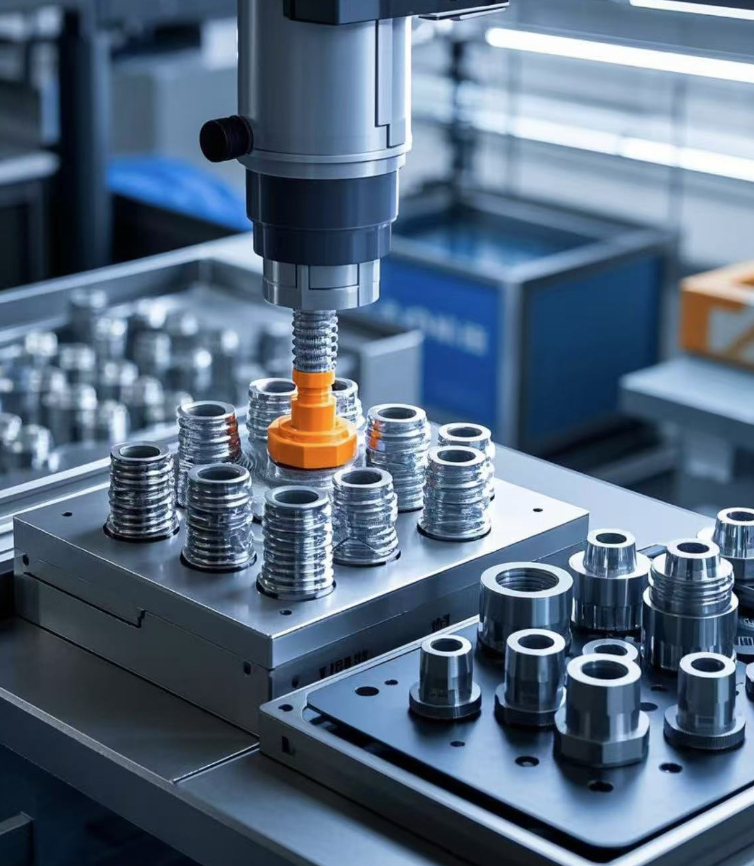
Changing value of fastener industry
Fasteners are no longer standard parts selected only in the assembly phase. They need to go through structural verification and performance evaluation at the early stage of vehicle design. Material performance, surface treatment, anti-loosening design, and galvanic compatibility between fasteners and aluminum alloys / composite materials are all systematic factors to be considered. The future development direction of NEV structural connectors lies in collaborative design of materials and structures, leaving huge room for technical expansion of stainless steel fasteners.
News recommendation

25 Years as IKEA Priority Supplier: Reliable EU-Standard Furniture Hardware Solutions
2026-08-26

The Evolution of Fasteners in the Robotics Industry
2026-09-23
Right-Hand vs Left-Hand Screws: Principles, Identification and Practical Applications
2026-09-21
Screw Washer Guide: Types, Functions and Industrial Application Principles
2026-09-16
Carbon Steel Fastener Wire Rod: Grades, Properties and Selection Guide
2026-09-14