

 CN
CN EN
EN
Outdoor Screw Selection: Anti-Corrosion Performance & Service Life
Release time:2026.10.06
Source:Dexin Metal
Views:9
A Practical Guide to Stainless Steel Fasteners & Surface Coatings
There is no fastener that stays rust-free forever. In engineering practice, we judge fasteners by their corrosion resistance level. Austenitic stainless steel can withstand most common outdoor corrosion conditions, while ferritic and martensitic stainless steel offer relatively weaker protection. Additional surface coatings can also improve the anti-rust performance of carbon steel screws.
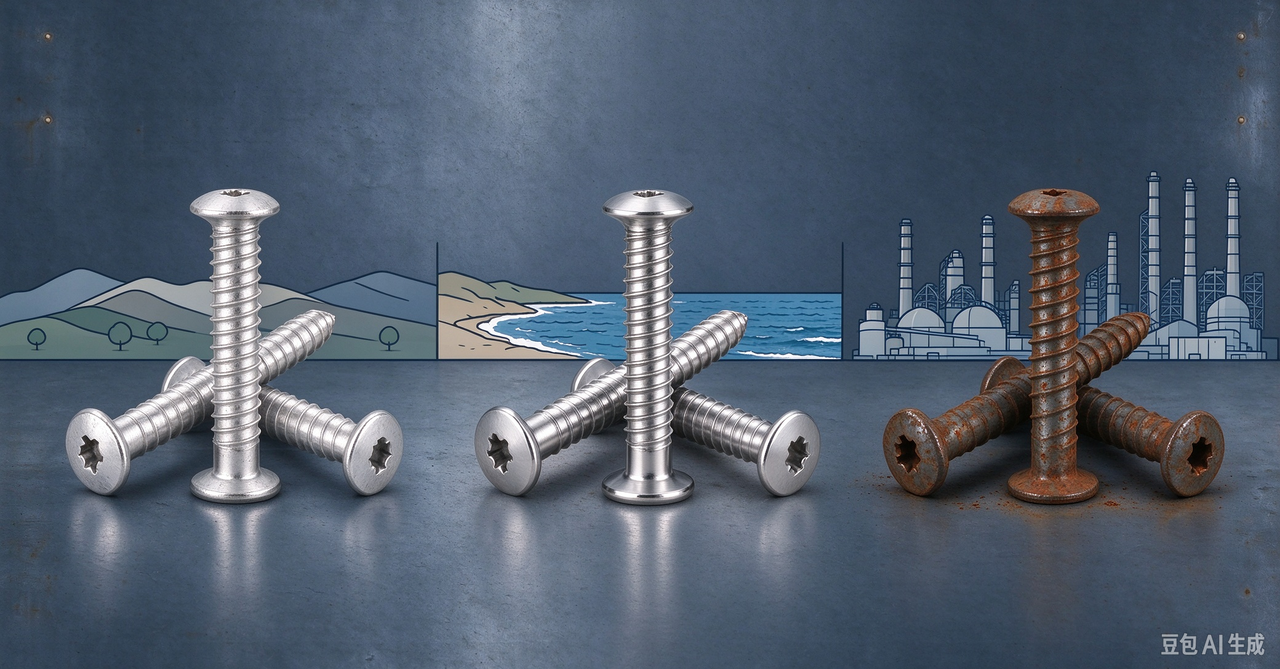
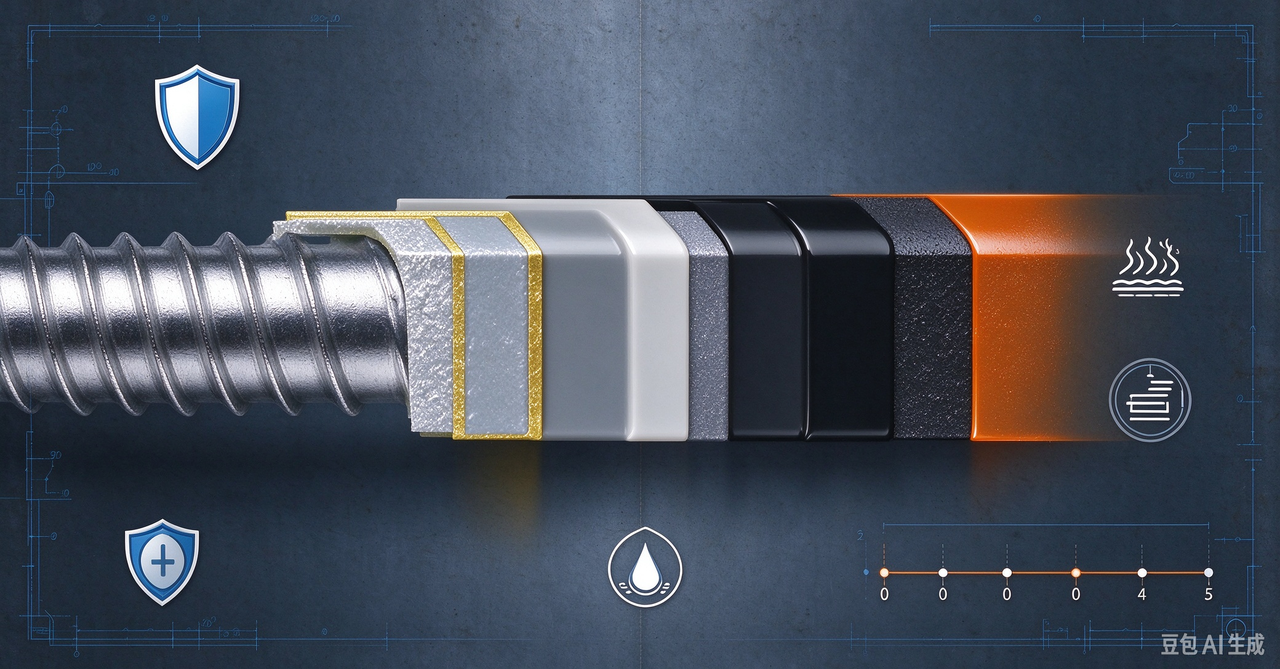
At Dexin metal, we find many buyers misunderstand common coating treatments. Black oxide and phosphating deliver very limited corrosion protection, only suitable for temporary rust prevention during storage or low-demand indoor applications. Standard galvanization provides basic protection, yet rust will still emerge after several years of outdoor exposure. For long-term outdoor projects, zinc-nickel electroplating, Dacromet and electrophoretic paint are the preferred options. If the coating remains intact after proper processing, these finishes can last more than a decade.
Service Life of Different Stainless Steel Screws in Outdoor Environments
- 304 Stainless Steel Screws In ordinary inland outdoor conditions, 304 screws can remain largely rust-free for 15–20 years. In coastal or high-humidity industrial zones, light rust spots may show up within 2–5 years, and obvious corrosion occurs after 5–8 years.
- 316 Stainless Steel Screws 316 stainless steel features superior corrosion resistance. It can serve 20–30 years for inland outdoor installations, and maintains stable performance for 15–25 years under coastal salt spray environments.
- 410 Stainless Steel Screws 410 stainless steel has poor rust resistance. It usually rusts within 1–3 years outdoors, so it is not recommended for long-term exposed applications.
Key Factors That Affect Anti-Rust Lifespan
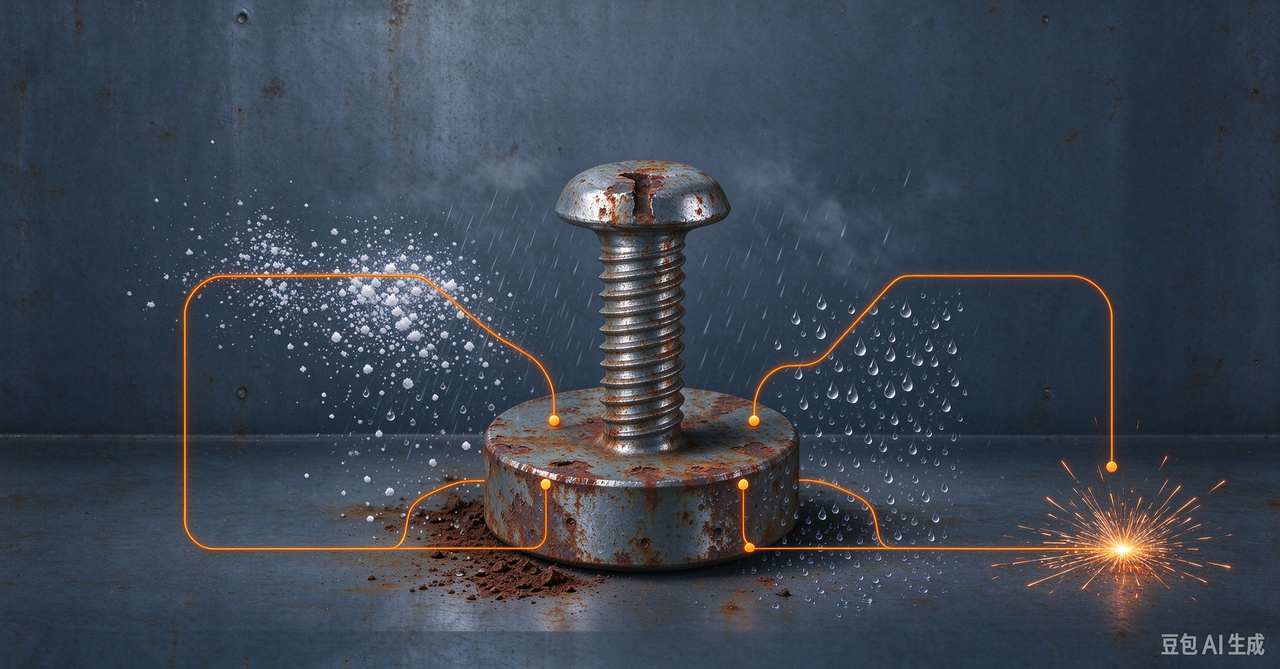
The environment is the primary factor. Chloride ions near the seashore, acid rain in industrial districts and persistent high humidity will greatly accelerate corrosion.
Installation practice is the second major cause. Scratches on the screw surface from tools, or contact with ordinary carbon steel parts during assembly will damage the passive film and trigger galvanic corrosion.
Besides, inadequate passivation treatment during manufacturing will shorten the anti-corrosion cycle of stainless steel fasteners.
Practical Tips to Extend Outdoor Screw Service Life
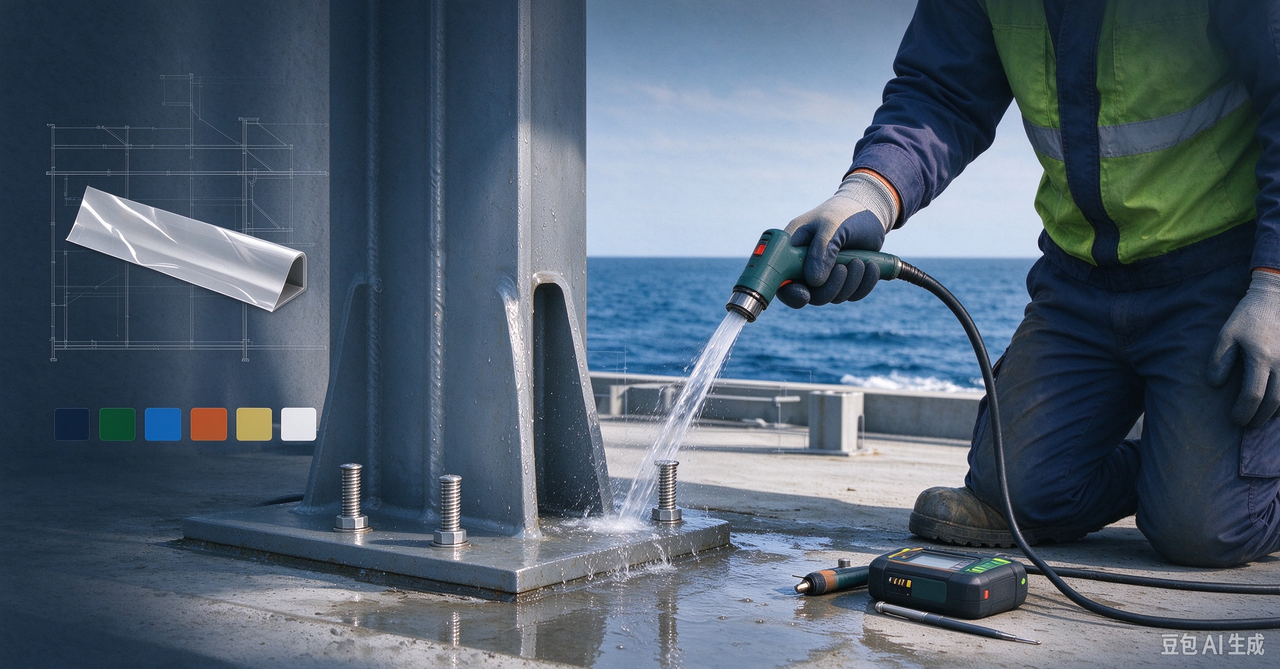
For coastal salt spray areas, rinse screw surfaces with clean water every 3 to 6 months to wash away residual salt deposits. Take care during installation to avoid scratching the passive protective film on stainless steel. Match materials to the working environment. Never use low-grade stainless steel in highly corrosive coastal or industrial settings.
Choosing the proper outdoor screw is not just picking stainless steel. It requires matching material grade and surface treatment according to humidity, chloride level and project design life. As a professional fastener manufacturer, Dexin metal helps customers select the correct fasteners to avoid premature rust, reduce maintenance cost and guarantee long-term structural reliability.
News recommendation

25 Years as IKEA Priority Supplier: Reliable EU-Standard Furniture Hardware Solutions
2026-08-26
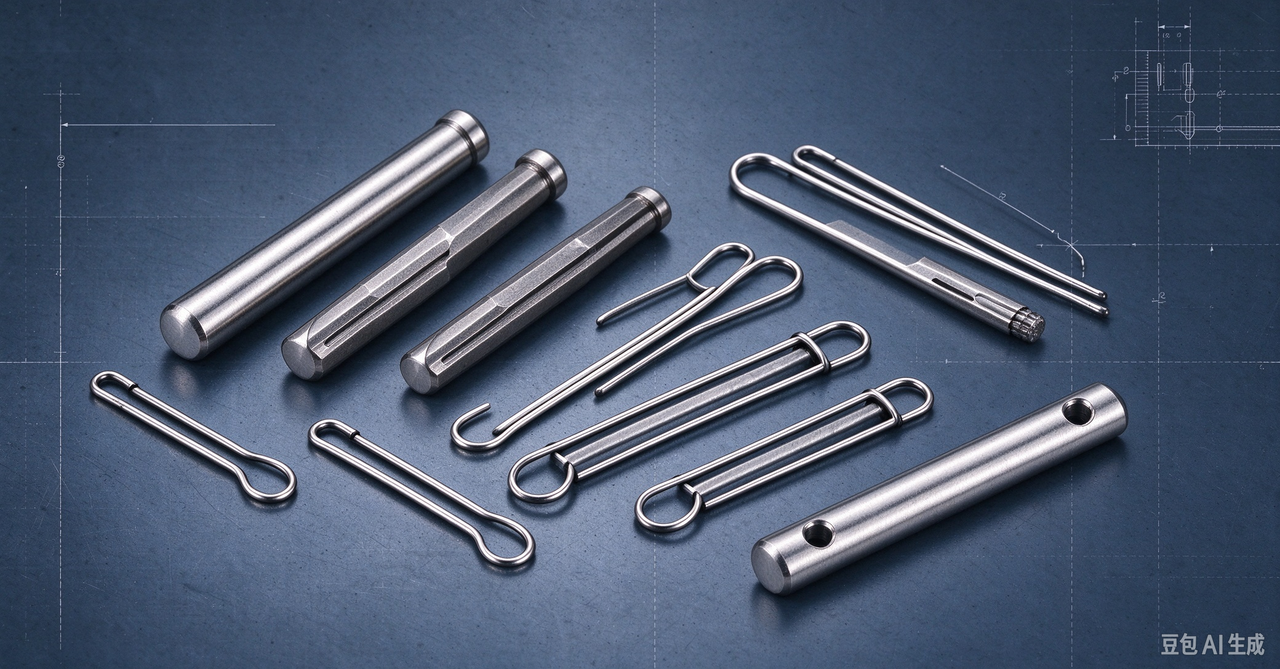
What are common pins? Introduction to pin types.
2026-09-30
Stainless Steel Fasteners: Critical EV Connection Solution
2026-09-28

The Evolution of Fasteners in the Robotics Industry
2026-09-23
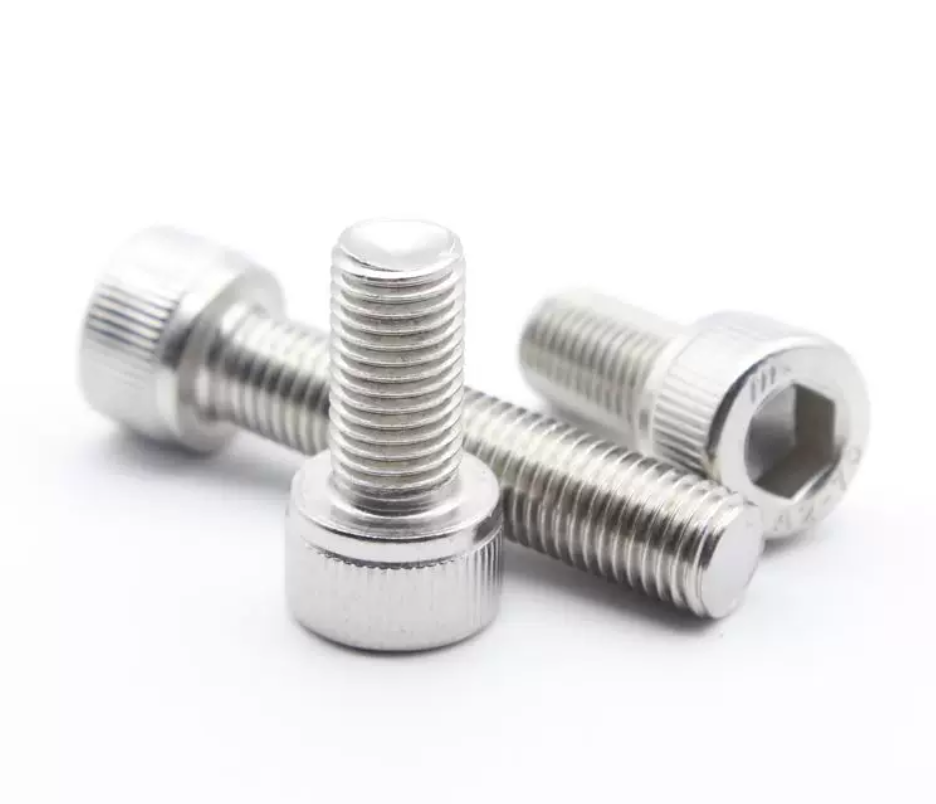
Right-Hand vs Left-Hand Screws: Principles, Identification and Practical Applications
2026-09-21